Address
86 Amesbury Road
Manchester M9 6JF United Kingdom
Choose the right drum bung for secure storage, cleaner dispensing and fewer spills. Learn thread types, materials and checks before you buy for the job.
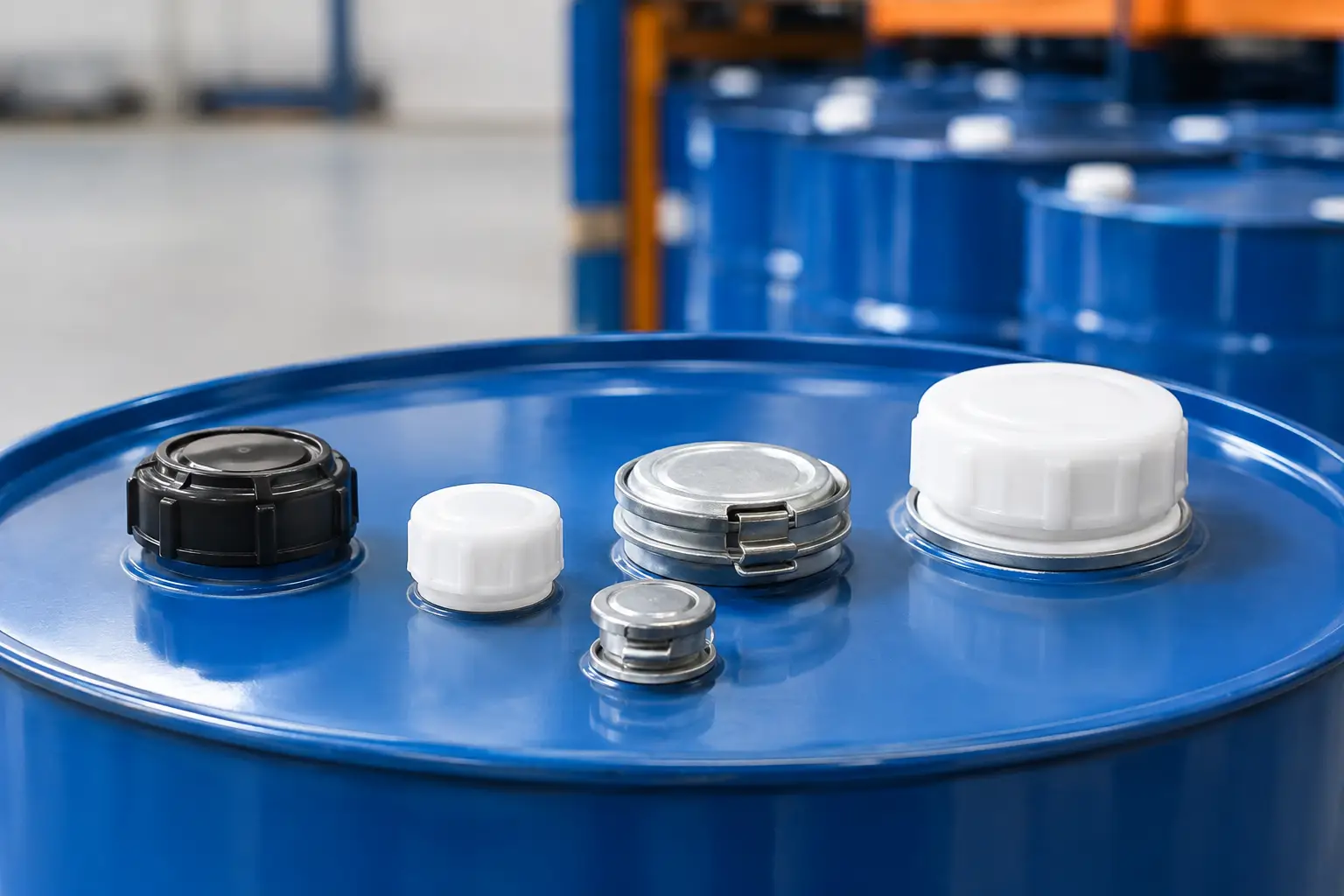
A leaking drum can turn a simple storage job into a messy, expensive nuisance. Whether you are keeping rainwater, cleaning fluid, oil or garden supplies in a container, the right drum bung helps keep contents contained, protected and easier to dispense when needed. It is a small fitting, but getting the size, thread and material wrong can lead to drips, damaged threads or a lid that simply will not seal.
For most household, garden, garage and caravan jobs, the sensible approach is straightforward: identify the drum you have first, then choose a bung designed for both the opening and the liquid inside. A cheap-looking cap is not always a false economy, but it must be compatible with the job.
A drum bung is a threaded stopper or closure fitted into an opening on a drum, barrel or similar container. It seals the opening when the drum is being stored or moved, and can be removed when you need to pour, pump or dispense its contents.
Many drums have two openings on the top. A larger opening is commonly used for filling or emptying, while the smaller one may be used for venting, fitting a tap or helping liquid flow smoothly. Bungs come in a range of designs, including solid caps, vented caps, plugs with gaskets and fittings with hose or tap connections.
The key point is that a drum bung is not a one-size-fits-all part. The outside of two drums can look very similar while their thread style, opening diameter and intended contents differ.
Before ordering a replacement, inspect the opening carefully. If the original bung is still available, use it as your reference. Look for moulded markings, stamped sizes or thread information on the cap and around the drum neck.
Drum fittings are often described by nominal sizes such as 2 inch and 3/4 inch, but that description alone is not enough. Threads may use different standards, and a fitting that seems close can cross-thread, sit at an angle or fail to seal properly. Measure the opening diameter and compare the thread pattern where possible. A clear photo and the drum manufacturer’s markings can also make identification much easier.
Avoid forcing a bung that does not engage smoothly by hand. A damaged drum neck is far harder to put right than replacing the correct fitting. If it tightens after only a turn or two, stops abruptly or rocks in the opening, take it back out and check the specification.
The material matters as much as the size. Plastic bungs, often made from polyethylene or polypropylene, are popular for water, many household products and general-purpose plastic drums. They are lightweight, corrosion-resistant and suitable for plenty of everyday storage tasks.
Metal bungs are often used with steel drums and may suit oils, fuels or industrial liquids, depending on their coating and seal. They can be hard-wearing, but they are not automatically right for every chemical. Some products can react with certain metals, while moisture can cause corrosion over time.
The seal is equally important. A bung may use a gasket, liner or O-ring made from rubber-like materials. The right seal depends on what is in the drum. Water is relatively forgiving. Solvents, oils, acidic cleaners and petrol-based products are not. If you are storing a chemical product, check its label and safety information, then select a fitting specifically rated for that liquid.
A solid bung is usually the best choice for storage and transport because it creates a closed seal. For a drum sitting in a shed, garage or utility area, this is the uncomplicated option when you do not need regular access.
A vented bung has a controlled vent that allows air to enter as liquid leaves the container. This can make dispensing smoother and reduce the familiar glugging that causes splashes. However, a vented fitting is not a casual upgrade. It must be suitable for the contents and the storage conditions. Never use an unsuitable vented bung on a drum containing flammable, volatile or hazardous liquid.
Dispensing bungs and adapters allow a tap, pump or hose fitting to be attached. They can be handy for rainwater, screenwash, cleaning solutions or other appropriate liquids that are used little and often. The trade-off is that every extra connection is another possible leak point, so check washers, valves and hose clips before relying on the setup.
Clean the drum neck and the bung before fitting. Dirt, dried residue and damaged old seal material can prevent a proper closure even when the thread itself is correct. If the drum has been used previously, make sure it is safe to handle and that any residue is understood before opening it.
Start the bung by hand and keep it level. Turn it gently until the thread catches cleanly. It should screw in with steady resistance, not a battle. Tighten only as far as needed to compress the seal and prevent seepage. Over-tightening can deform plastic threads, squash a gasket or make removal difficult later.
Once fitted, check around the closure for drips. With suitable non-hazardous contents, leave the drum upright for a short period and inspect it again. Do not test a seal by turning a heavy drum upside down unless the container, closure and contents are all designed for that handling method.
A quick check before each use is worth the minute it takes. Look for cracks, flattened seals, rust, swollen plastic, stripped threads and staining around the opening. These are early signs that the bung or the drum itself needs attention.
Even the best-fitting drum bung cannot compensate for poor storage. Keep drums upright on a stable, level surface where they cannot be knocked over by bikes, tools, pets or children. Keep containers out of direct sunlight where possible, particularly plastic drums, as prolonged heat and UV exposure can weaken materials and affect the contents.
Label every drum clearly, even if you are certain you will remember what is inside. Include the contents and the date filled. Never reuse a food or drinks container for chemicals, and never store an unidentified liquid. If a container once held a hazardous substance, treat it with appropriate caution rather than assuming a rinse has made it suitable for another job.
For oils, fuels, strong cleaners, pesticides or other hazardous materials, follow the product label and applicable UK storage guidance. Keep incompatible substances apart, use suitable secondary containment where needed and make sure children cannot access the area. A replacement bung is useful, but safe storage starts with the entire setup.
Sometimes a leak points to a tired drum rather than a faulty closure. If the neck is cracked, the threads are worn, the drum is bulging, or there is corrosion around a steel opening, fitting a fresh drum bung may only delay a bigger problem. Replace the container safely instead of trying to seal over damage with tape, adhesive or improvised plugs.
The same applies if you cannot confidently identify the liquid in the drum. Do not open it simply to investigate, and do not buy a random closure in the hope it will fit. Seek appropriate local advice on safe handling and disposal, particularly for old fuel, chemicals or unknown workshop fluids.
Take a moment to confirm five details: the drum material, opening size, thread type, contents and the job you need the fitting to do. Also consider whether you need a plain storage closure, a vented option or a connection for dispensing.
For ordinary home and garden use, choosing a good-quality compatible fitting is one of those small purchases that prevents repeated spills and frustration. EasyPeasyMate shoppers often look for practical fixes that save a trip to several shops, and this is exactly the sort of detail that keeps a useful container working properly.
A correctly matched bung gives you more than a tight lid. It gives you a cleaner storage area, less wasted product and one less awkward household job waiting to happen.
