Address
86 Amesbury Road
Manchester M9 6JF United Kingdom
Pet care trends for UK homes: smarter feeding, calmer routines, grooming, travel and sustainable choices that make looking after pets easier every day.
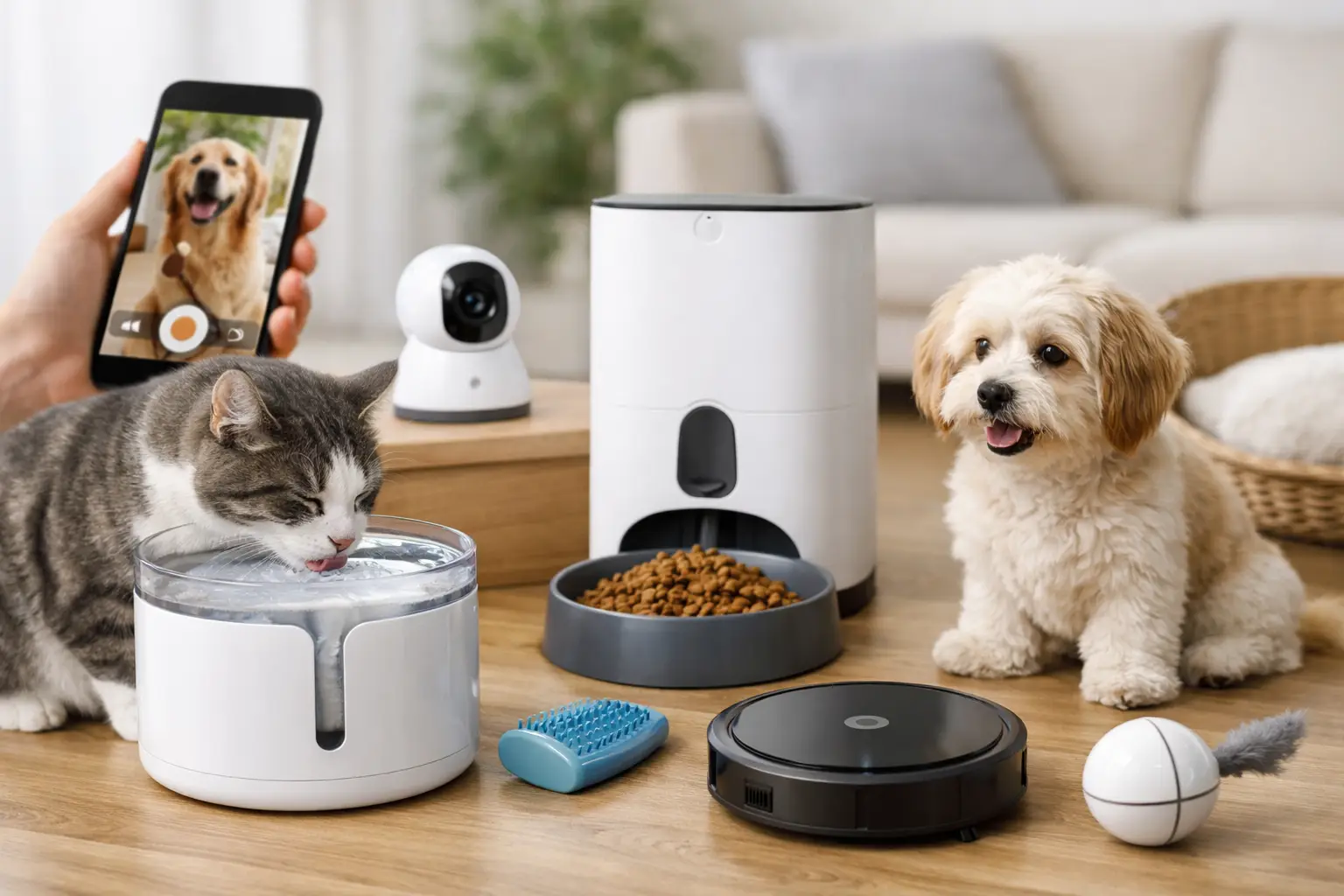
The most useful pet care trends are not about buying every new gadget on the market. They are about making daily life calmer, cleaner and more manageable for pets and the people who care for them. For busy UK households, the best ideas tend to be the ones that save a few minutes at breakfast, reduce muddy pawprints after a walk, or help a nervous pet settle at home.
Pets are firmly part of family life, but their needs are not identical. A flat-dwelling cat, an energetic spaniel, a senior rabbit and a puppy in training all need different routines. The practical approach is to choose products and habits that solve a genuine problem in your household, rather than following a trend for its own sake.
Portion control is becoming a bigger priority, especially for indoor cats, smaller dogs and pets that are prone to weight gain. Measured food scoops, storage containers with secure lids and slow-feeding bowls are simple tools that can make mealtimes more consistent. They also help keep dry food fresher and stop curious noses getting into an open bag.
Slow feeders and treat-dispensing toys can be particularly helpful for pets that rush through meals. The aim is not to make eating difficult, but to encourage a steadier pace and a little mental stimulation. For a pet that already eats slowly or has dental issues, a standard shallow bowl may be the better choice. Convenience should never get in the way of comfort.
Fresh water is receiving more attention too. Some cats prefer moving water, while many dogs simply benefit from a bowl that is cleaned and refilled regularly. A non-slip mat beneath the bowl is a small addition that catches splashes and makes kitchen clean-ups quicker.
Enrichment has become one of the most talked-about pet care trends, and for good reason. Pets need more than food, walks and a cosy place to sleep. Sniffing, chewing, climbing, scratching, hunting and playing are natural behaviours, and giving them safe outlets can reduce boredom around the home.
This does not mean turning the living room into an obstacle course. A few well-chosen options are usually enough: a puzzle toy for rainy afternoons, a scratching surface for a cat, a chew suited to a dog’s size, or a cardboard hideaway for small animals. Rotate toys every few days rather than leaving everything out at once. Familiar items can feel new again, with no need to keep buying more.
For dogs, let part of the walk be about sniffing rather than marching from A to B. A little extra time at a hedge or grassy verge can be mentally tiring in a good way. For indoor cats, a short play session before dinner often matches their natural hunt, eat and rest rhythm.
Regular grooming is shifting from an occasional task to a straightforward part of weekly home care. Brushing helps remove loose fur before it reaches the sofa, clothes and car seats. It also gives owners a chance to notice changes in the skin, coat, paws or ears early.
The right brush depends on coat type. A short-haired pet may only need a soft grooming mitt, while a long-haired breed may need a comb that reaches through the top coat without pulling. Start slowly, especially with a young or rescue pet, and keep sessions short. Treats and praise can make a big difference.
Paw care matters throughout the year. In wet weather, a towel by the door and a washable mat can prevent muddy floors. During hot spells, check pavements before walks and keep fur around paws tidy where appropriate. If you spot persistent licking, soreness, a strong smell or cracked skin, seek advice from a vet rather than relying on home products alone.
Pet-friendly homes do not have to look permanently covered in fur. The current preference is for practical, easy-clean set-ups: washable throws on favourite sleeping spots, lint rollers near the hallway, absorbent mats by doors and storage baskets for leads, toys and grooming bits.
Odour control is another common concern, particularly with litter trays, cages and dog bedding. Regular washing and good ventilation do more than heavily scented sprays, which can irritate sensitive pets. Choose cleaning products carefully, keep them out of reach and allow surfaces to dry fully before your pet returns to the area.
A designated pet station can make the morning rush much easier. Keep leads, poo bags, a towel, treats and a portable water bowl in one place near the exit. It is a simple bit of organisation, but it prevents those last-minute searches when the dog is already bouncing by the door.
Many owners are looking for ways to reduce waste, but sustainable pet care does not need to mean replacing perfectly good items. The most cost-effective choice is often a durable bed cover, sturdy lead or washable mat that lasts. Reusable grooming tools and refillable containers also tend to earn their space in a busy home.
When an item does need replacing, consider its full use. Will it withstand regular washing? Is it the right size for your pet? Can it be stored easily? A cheap toy that breaks in a day is rarely a bargain. Equally, an expensive item is not automatically better if your pet will not use it.
Compostable poo bags and recycled-material accessories can be worthwhile where they suit your routine, but check how products should be disposed of in your local area. Clear claims and practical performance matter more than fashionable packaging.
Pets are joining more family outings, from weekend visits to caravan breaks and longer holidays. This makes safe, calm travel a growing focus. A suitable carrier, harness or crate should fit the pet properly, be well ventilated and be introduced before the journey. Do not wait until departure day for the first test.
For car trips, plan for secure restraint, water, comfort breaks and a familiar blanket where suitable. Never leave a pet alone in a parked car, even when the weather seems mild. Temperatures can change quickly, and a cracked window is not a safe solution.
Keep a small travel kit ready with food, water, a bowl, waste bags, wipes, a towel and any medication. For cats and small animals, include familiar bedding to reduce stress. A little preparation means fewer forgotten essentials and a smoother start to the trip.
The best pet products earn their place by solving a repeated problem. Before adding something to the basket, ask whether it will make feeding, cleaning, walking, grooming, resting or travelling easier for your particular pet. Consider the available space, how often it needs washing and whether your pet is likely to tolerate it.
Safety comes first with any trend. Check sizing, supervise new toys and remove damaged items promptly. Speak to a vet or qualified behaviour professional about changes in appetite, mobility, anxiety, skin condition or behaviour. A useful accessory can support good care, but it cannot replace professional advice.
At EasyPeasyMate.Shop, practical everyday essentials are the focus, because the little jobs add up. Start with one change that removes a regular hassle, whether that is a better feeding set-up, a towel station for wet walks or a storage spot for the lead. Your pet will appreciate a more settled routine, and you may find the whole household runs that bit more easily.
