Address
86 Amesbury Road
Manchester M9 6JF United Kingdom
Get rose pruning timing right with clear UK advice for shrub, climbing and rambling roses, plus weather checks and clean-cut tips for healthier blooms.
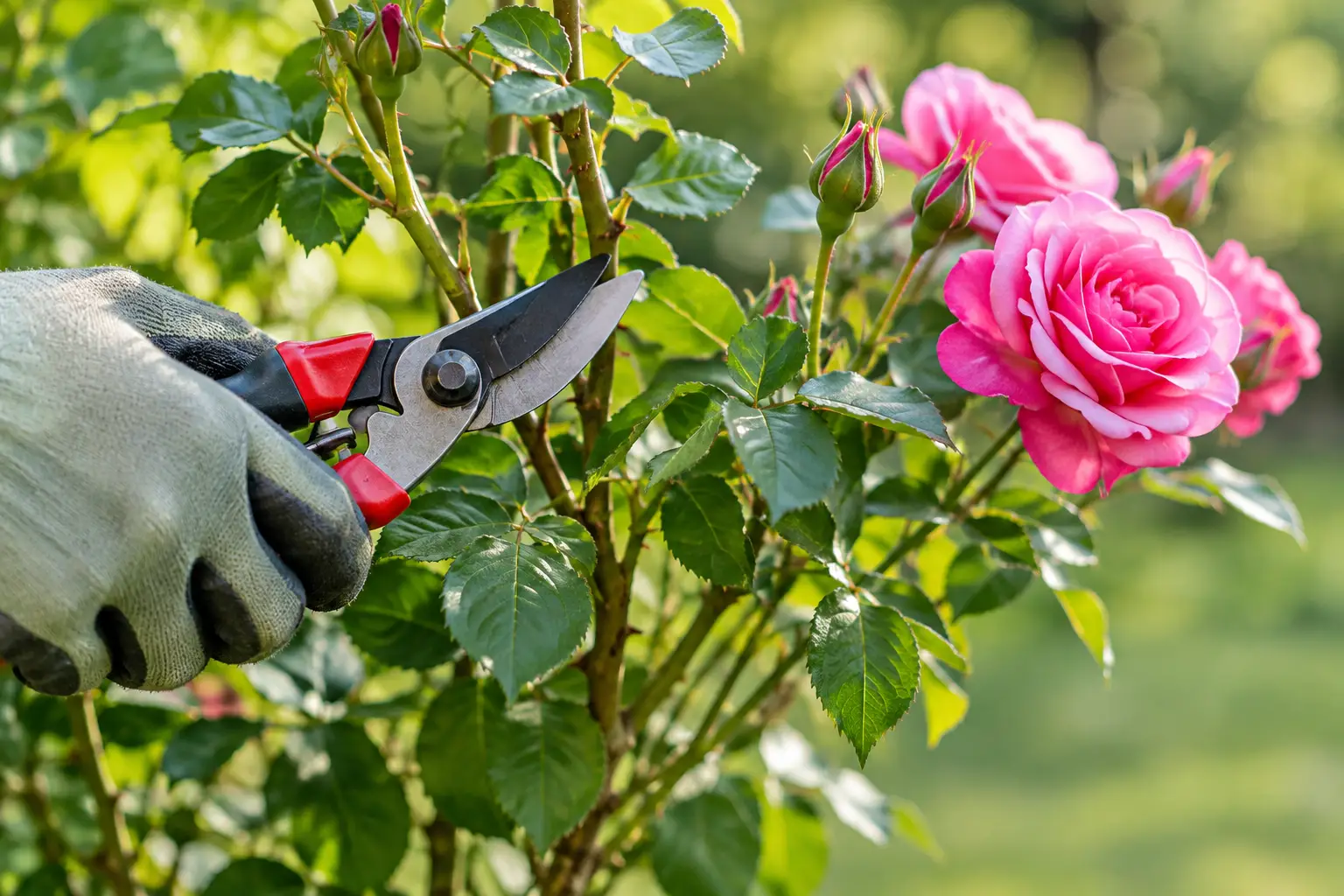
A rose can look surprisingly sorry for itself after a proper prune, especially when you have just cut back healthy-looking stems. Get the rose pruning timing right, though, and that tidy-up is what encourages stronger growth, better air flow and a far more generous display of flowers when summer arrives. The trick is not to use one date for every rose in every garden. Rose type, local weather and the plant’s age all matter.
For most bush roses, including hybrid teas, floribundas and many repeat-flowering shrub roses, the main prune is done in late winter to early spring. In much of the UK, that usually means February or March. The aim is to wait until the worst hard frosts have passed, but prune before the rose has put lots of energy into long new growth.
A useful sign is the buds. When they begin to swell and you can see where fresh growth is likely to start, it is easier to decide what stays and what goes. In milder southern and coastal areas, late February is often suitable. In colder inland gardens, exposed plots and parts of Scotland, March or even early April may be the safer choice.
There is no prize for being first out with the secateurs. Pruning just before a spell of severe frost can leave freshly cut stems more vulnerable. Equally, leaving it very late does not ruin a rose, but you may cut off growth the plant has already worked hard to produce. Check the forecast, look at your own garden rather than a calendar alone, and choose a dry day where possible.
The biggest pruning mistake is treating every rose as a bush rose. A compact repeat-flowering floribunda needs a different approach from a once-flowering rambler that races across a fence.
Hybrid teas and floribundas are usually cut back firmly in late winter or early spring. Remove dead, damaged and crossing stems first, then shorten the remaining healthy stems to roughly 15 to 45cm from the ground. How hard you cut depends on the rose’s vigour and the result you want. A harder prune tends to produce fewer but larger flowers on longer stems, while a lighter prune gives more, slightly smaller blooms and a larger plant.
For repeat-flowering shrub roses, take out the oldest woody stems near the base and shorten the rest by around a third to a half. The goal is an open, balanced framework, not a perfectly matched ball. If the rose has become crowded, cutting out one or two old stems completely is often more useful than simply trimming every branch.
Climbing roses are normally pruned from late autumn through to late winter, often between November and February. Their main framework of long stems stays in place. Tie those stems in as close to horizontal as the support allows, then shorten the side shoots to two or three buds.
This is not just about keeping the plant neat. Training stems horizontally slows the rush of sap to the tip and encourages flowering shoots along the length of the stem. A climber left to grow straight upwards often flowers mainly at the top, which is not much help if you want colour around a doorway or garden arch.
Most rambling roses flower once, usually in early summer, on growth made the previous year. That changes everything. Prune them immediately after flowering, generally in July or August, rather than in spring. If you cut a rambler back in late winter, you may remove the stems carrying this year’s flowers.
After it has finished blooming, remove some of the oldest flowered stems at the base and tie in fresh, flexible new shoots to replace them. Young ramblers may only need light shaping for their first couple of years. Established plants can handle a more thorough clear-out, particularly if they have become a tangled mass around a shed, fence or pergola.
Container roses follow the same broad schedule as bush roses, but they are more exposed to cold around their roots. If a sharp frost is forecast just after pruning, move a small pot close to a sheltered wall or protect it with horticultural fleece. Make sure the compost is not bone dry before pruning either. A stressed rose does not respond as well as one that has been looked after through winter.
If you are unsure whether to prune this weekend or wait, inspect the plant closely. Dead stems are brown or black, dry and brittle, whereas living wood is usually green or pale cream beneath a gently scraped patch of bark. Remove dead wood whenever you spot it, whatever the season.
For the main annual prune, look for buds beginning to plump up. Choose outward-facing buds where you can, as these encourage growth away from the middle of the plant. Make each cut about 5mm above a bud, sloping slightly away from it so rainwater does not sit directly on the cut.
Do not worry if you cannot make every cut picture-perfect. Clean, sharp secateurs and sensible removal of weak or crossing growth will do far more for the plant than chasing textbook precision. For thick, old stems, use loppers rather than forcing small secateurs through and crushing the wood.
Before deciding how far back to cut, work through the obvious problems. This makes pruning quicker and helps you see the rose’s natural shape. Remove:
Suckers are worth dealing with properly. Follow the shoot down below the soil line and pull or tear it away from its point of origin where possible, rather than snipping it at the surface. Cutting can sometimes encourage it to return with more shoots.
Put diseased leaves and prunings in household waste rather than adding them to a home compost heap, especially if you have had black spot, rust or mildew. Clear fallen leaves from around the base too. It is a small job that can reduce the number of fungal spores waiting to cause trouble when the weather warms up.
Bare-root roses planted over winter are commonly pruned back in early spring, even if they look quite small. This helps balance the roots with the top growth and encourages a bushier plant. Newly planted container roses may need only a light tidy, unless they are leggy or damaged.
After a hard winter, wait until spring growth starts to reveal the true extent of damage. Some stems that look dead in January may still be alive lower down. Cut back gradually until you find healthy, pale wood. If a rose has died back close to the ground, it can still recover well if the roots are sound and the new shoots are growing from above the graft.
Deadheading happens through the flowering season and is lighter work than the annual prune. On repeat-flowering roses, remove faded flowers promptly to encourage another flush. Cut back to the first healthy leaf with five leaflets where practical, rather than merely pinching off the spent head.
Once-flowering ramblers and many old-fashioned roses do not need deadheading for more blooms because they only flower once. You may prefer to leave the hips in place for autumn colour and for birds. That is one of those useful garden choices where appearance matters more than a rigid rule.
After your main prune, clear the area, give the rose a generous layer of well-rotted manure or garden compost, and water it in if the ground is dry. A simple pair of clean secateurs, sturdy gloves and a little patience can turn rose care from a daunting job into a satisfying start to the gardening season. Watch the buds, trust your local weather, and your roses will tell you when they are ready to get growing again.
