Address
86 Amesbury Road
Manchester M9 6JF United Kingdom
Our practical weed control guide helps UK gardeners stop weeds early, choose the right method and keep patios, lawns and borders tidy all season long.
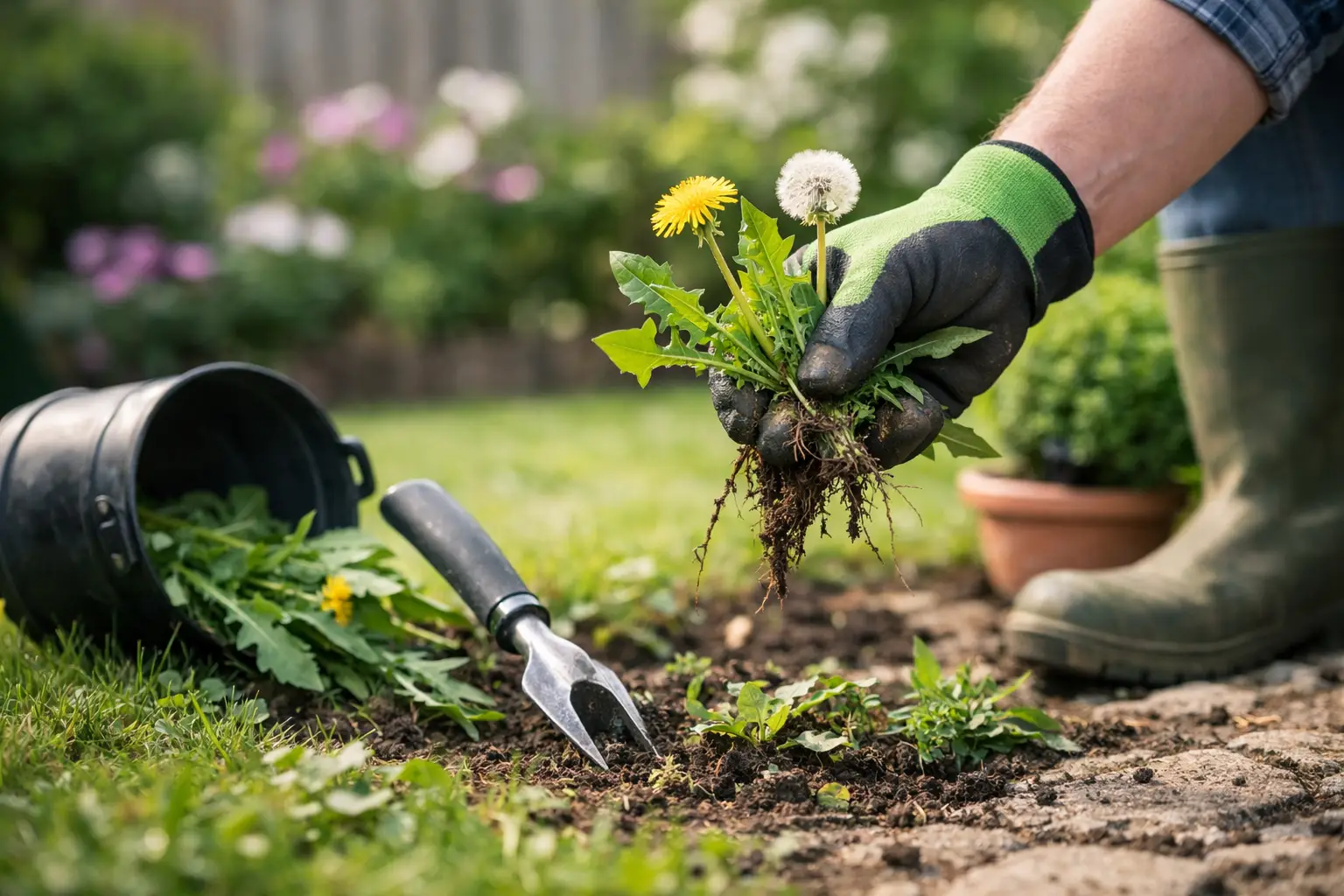
A clear patio can look untidy again within a fortnight when warm weather and rain get weeds growing. The good news is that weed control does not need to become an all-day gardening job. This weed control guide focuses on the small, practical actions that make a visible difference around UK lawns, borders, paths and driveways.
The most effective approach is rarely one dramatic treatment. It is spotting weeds early, using the right tool for the location and preventing bare soil from becoming an open invitation for the next lot.
Not every unwanted plant needs the same solution. Annual weeds, such as chickweed and hairy bittercress, spread mainly by seed and are usually easy to pull or hoe when young. Perennial weeds, including dandelions, docks, bindweed and brambles, have deeper or spreading roots. Removing the top growth may make an area look better temporarily, but the plant can return unless you tackle the root system over time.
Location matters just as much. A weed in a flower border can often be lifted by hand without disturbing anything else. One growing through block paving may need scraping from the joint. A broadleaf weed in a lawn needs a selective approach, because many general weedkillers will damage grass as well.
Before reaching for a treatment, ask three simple questions: is it growing from seed or a persistent root, is it close to plants you want to keep, and can you remove it safely by hand? That quick check avoids wasted effort and accidental damage.
Young weeds are easier to remove, have weaker roots and are less likely to have set seed. A quick ten-minute check after rain, when soil is softer, is often more useful than waiting for one big garden clear-up. Pull annual weeds before flowering wherever possible. Once seeds are scattered, the job repeats itself next season.
For borders, use a hand fork or narrow weeding tool to loosen soil beside the plant, then pull steadily from low down. This gives you a better chance of lifting the root rather than snapping the stem. With tap-rooted weeds such as dandelions, a long-handled weeder can save kneeling and help remove more of the root from lawns and beds.
Hoeing is handy for a larger patch of tiny annual weeds in dry weather. Run the blade just below the surface to cut off the roots, then leave the weeds to dry out. Avoid hoeing deep enough to bring dormant seeds to the surface, where light can trigger another flush of growth.
Perennial weeds call for patience. Dig out as much root as practical, particularly the white, brittle roots of bindweed and couch grass. Do not put actively seeding weeds or persistent roots into a home compost heap unless you know it gets hot enough to destroy them. Green waste collection or household waste is often the simpler choice for troublesome material.
Hand weeding, hoeing and mulching are usually the safest combination where flowers, shrubs or crops are growing close together. Spread a 5-8 cm layer of organic mulch, such as bark, composted manure or garden compost, over clear soil. It blocks light from many new weed seedlings, helps retain moisture and can improve the soil as it breaks down.
Keep mulch a little away from woody stems and the crowns of plants. Piling it directly against them can encourage rot or provide shelter for slugs. A mulch will not magically stop established perennial weeds, but it makes routine maintenance far easier once those have been removed.
In vegetable beds, avoid leaving soil bare between crops. Close planting, crop cover and a light mulch can reduce the space available for weeds. Just make sure seedlings are large enough before applying mulch, so they are not shaded out.
Weeds in paving joints often take hold where dust, moss and leaf litter have built up. Sweep hard surfaces regularly, especially in autumn, and clear debris from cracks before it becomes a growing medium. A patio weeding knife or joint scraper is useful for lifting young plants and their roots from narrow gaps.
For larger areas, a purpose-made paving treatment may be appropriate, but always check that it is suitable for the surface and follow the label exactly. Apply only on a still, dry day, keep children and pets away until the label says the area is safe, and never allow product to run into drains, ponds or watercourses.
Boiling water is sometimes suggested for paving weeds. It can scorch foliage, but it also presents a real splash and burn risk, may harm nearby plants and often does not kill deep roots. Physical removal is slower, yet usually gives more reliable control without the risk.
A few daisies or clover flowers are not necessarily a lawn emergency. They can be welcome for pollinators, and clover can tolerate dry conditions better than grass. If you prefer a neater lawn, improve the grass first: mow at the right height, feed when needed, aerate compacted ground and overseed thin areas. Dense, healthy grass leaves less room for weeds to establish.
For isolated weeds, dig them out with a lawn weeder. If weeds are widespread, choose a lawn-specific selective weedkiller rather than a total weedkiller. Read the label carefully, particularly around mowing, rain, new turf and when children or pets can return to the lawn. Do not treat a drought-stressed lawn or apply more than directed in the hope of faster results.
Chemical weed control can be helpful for stubborn growth on paths, driveways or difficult perennial weeds, but it is a tool rather than the whole plan. The right product depends on whether you need to protect grass, nearby ornamentals, wildlife-friendly areas or edible crops.
Always use an approved product for its intended purpose and follow the label as the final word on mixing, protective clothing, weather conditions, storage and disposal. More product is not better. Over-application risks harming plants, contaminating soil or water and wasting money.
Avoid spraying in wind, as fine droplets can drift onto flowers, shrubs, lawns and neighbouring gardens. Do not spray open blooms where bees may be feeding, and do not treat beside ponds or streams unless the product specifically permits it. A shielded spot treatment is usually more sensible than spraying an entire area for a few weeds.
Weed prevention is often the easiest win. Cover bare ground in beds with mulch, repair broken paving joints, edge lawns neatly and pull plants before they seed. Check pots, planters and new compost for small seedlings too, as weeds can arrive in soil, bird feed or on the wind.
Watering can also make a difference. Water border plants close to their roots instead of soaking every inch of exposed soil. This supports the plants you chose while giving fewer opportunities to opportunistic weed seedlings.
A simple routine keeps the task manageable:
A perfectly weed-free garden is not the only measure of a well-kept outdoor space. Some plants labelled as weeds offer nectar, shelter or food for wildlife. Dandelions can support early pollinators, and a small patch of longer grass at the back of a garden can be useful habitat.
It depends on the space and what you need from it. A weed pushing through a patio joint can become a trip hazard or damage paving, so deal with it. A few wildflowers in a quiet corner may be doing no harm at all. Being selective saves time and can make the garden feel more alive.
The easiest gardens are not those that receive constant attention. They are the ones where a hand tool is kept close by, bare soil is covered and small weeds are dealt with before they decide they own the place.
