Address
86 Amesbury Road
Manchester M9 6JF United Kingdom
Why use furniture floor protectors? Learn how simple pads, cups and glides help prevent scratches, dents, noise and costly repair work at home every day.
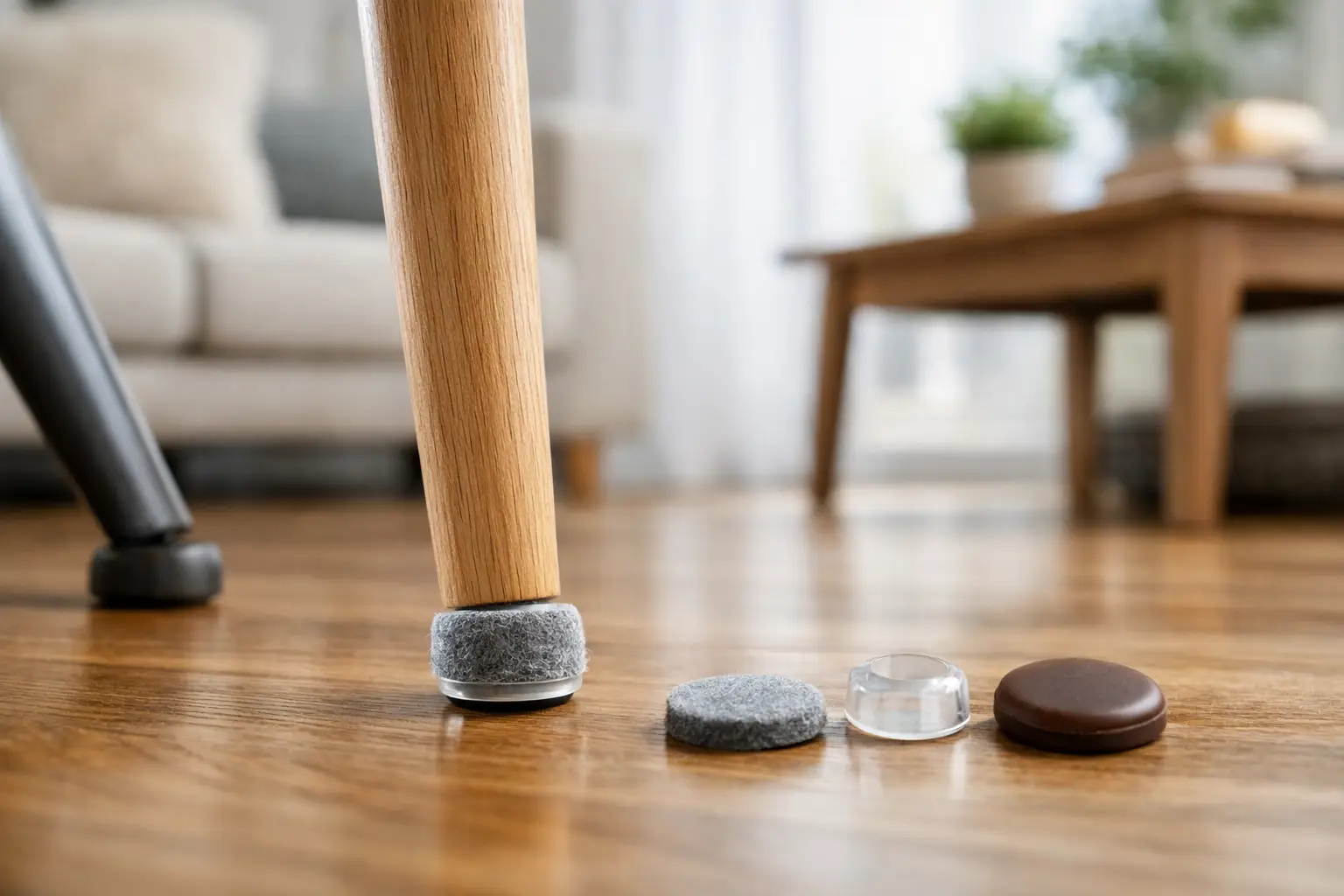
A dining chair scraping across a wooden floor can leave a mark in seconds. A sofa leg can press a dent into carpet slowly enough that you barely notice until you rearrange the room. That is exactly why whether to use furniture floor protectors is a question worth asking before small bits of everyday wear turn into an expensive repair job.
These simple pads, cups and glides sit between furniture and your floor, reducing friction, spreading weight and helping furniture stay put. They are an affordable household fix, particularly in busy homes with children, pets, regular visitors or chairs that are moved back and forth every day.
Flooring is built to be lived on, but it is not built to take constant pressure from narrow chair legs, rough metal feet or furniture being dragged into place. Even sturdy laminate, vinyl, tiles and engineered wood can pick up scratches, scuffs or chipped edges. Solid wood floors may show the damage even more clearly.
Furniture floor protectors reduce direct contact between the floor and the item above it. Felt pads allow legs to glide more gently. Rubber grips stop furniture sliding. Wider cups spread the load of heavy items. The right choice depends on the furniture and the surface, but the benefit is the same: less avoidable damage during normal life.
They also make a room feel calmer. Chair legs can create a surprising amount of noise on hard floors, especially in kitchens and dining spaces. A set of suitable pads softens that scraping sound, making early breakfasts, late-night snacks and homework time a little less disruptive.
For renters, floor protectors are a particularly sensible precaution. Deposit deductions can be frustrating, and preventing a few scratches or compressed carpet patches is far easier than trying to disguise them when it is time to move out.
Most floor damage is not the result of one dramatic accident. It builds up through routines. Pulling a dining chair out, shifting a coffee table for a quick clean, nudging a bed frame while changing sheets or sliding a planter towards the window can all leave their mark.
Hard floors are most vulnerable to abrasion. Tiny bits of grit caught beneath a chair leg or metal foot can act like sandpaper, leaving fine lines that gradually dull the finish. On glossier laminate or polished wood, these marks often show up in sunlight before you spot them at any other time of day.
Carpet has different problems. Heavy wardrobes, sofas, beds and cabinets can create deep indentations, especially if they stay in the same spot for months or years. Protective furniture cups help spread the weight across a larger area, reducing the pressure on individual fibres. They will not make an extremely heavy piece weightless, but they can make a real difference.
Vinyl and luxury vinyl tile floors need care too. They are practical and comfortable underfoot, yet sharp, narrow or uneven furniture feet can cause dents or marks. Using appropriate non-staining protectors is a simple way to look after the finish without changing how you use the room.
There is no single floor protector that suits every job. Choosing based on the surface, furniture weight and how often the item moves gives better results than fitting the same felt square to everything in the house.
Felt pads are a popular everyday option for chairs, stools, side tables and lighter furniture on hard floors. They reduce scraping and allow pieces to move more smoothly. Self-adhesive pads are quick to fit, while nail-in versions can be more secure on suitable wooden legs.
The trade-off is that felt gathers dust and can wear thin, especially under dining chairs. Check it regularly and replace it when it becomes flattened, dirty or starts to peel. A pad that has collected grit can scratch rather than protect.
Rubber or silicone-style pads are useful where you want furniture to stay in place. Think sofas that creep across a smooth floor, bedside tables that shift when drawers are opened, or a washing machine that vibrates during a spin cycle.
They can also help reduce vibration and noise. However, rubber is not always the best choice for furniture that needs to slide easily, and some materials may react with certain floor finishes. If you have a newly laid or delicate floor, check the flooring maker’s care advice before fitting anything permanently.
Furniture cups are designed to sit beneath larger legs or castors. They are ideal for beds, wardrobes, sofas, pianos, display cabinets and other weighty pieces. By distributing the load, they help prevent carpet dents and reduce the chance of a leg digging into softer flooring.
Choose a cup large enough for the furniture foot to sit comfortably inside. A loose, undersized cup will not offer much protection and may look untidy. Clear styles can be a neat choice where you want the protection without drawing attention to it.
Glides are made for movement. They can be fitted to chair legs, bar stools and occasional furniture that is regularly repositioned. Some are made for carpets, while others are designed for hard floors, so it is worth checking before you buy.
If your dining chairs are used several times a day, well-fitted glides can be more practical than continually replacing small adhesive pads. The best option comes down to the leg shape and the floor beneath it.
Start with the rooms where furniture moves most often. Dining areas are usually top of the list, followed by kitchens with stools, home offices with desks and chairs, and living rooms with coffee tables or sofas. A home office chair on castors deserves special attention, as repeated rolling can wear a track into carpet or mark hard flooring.
Do not forget less obvious places. Plant stands, storage units, laundry baskets with hard feet, freestanding kitchen islands and children’s play tables can all cause rubbing or pressure damage. In a caravan or holiday home, protectors can be handy too, as compact furniture is often moved more frequently and floors have limited space to hide a scrape.
Heavy furniture that rarely moves still needs protection. Fit cups or pads when placing it rather than waiting for an indentation to appear. It is one of those small jobs that takes minutes and can save a lot of hassle later.
A protector only works well when the surface is clean and the fit is right. Turn lighter furniture upside down or onto its side safely, then wipe the bottom of each leg to remove dust, grease and old adhesive. Let it dry fully before applying self-adhesive pads.
Measure the foot where possible. Round pads on square legs, or tiny pads on wide furniture feet, tend to come loose quickly. Trim-to-size felt can be useful for unusual shapes, but make sure every edge is firmly attached.
With heavier furniture, avoid trying to drag it into position alone. Get help, lift carefully where practical, and place cups directly beneath each supporting point. Once everything is in place, check that the furniture is level and stable. A wobbly table is not fixed by adding extra pads at random – it may need adjustment at the leg or floor contact point.
After fitting, make protector checks part of your usual cleaning routine. When you vacuum under the sofa or mop the dining floor, look for pads that are worn, missing or full of grit. Replacing a small pad promptly is easier than dealing with a scratched board or a stubborn mark later.
Furniture floor protectors are not glamorous, but they are a proper everyday essential. They help floors stay cleaner-looking, reduce noise, protect carpets from pressure marks and make moving furniture less of a chore. For a low-cost upgrade with a useful payoff, fit them where daily life puts your flooring under the most pressure – then enjoy the room without worrying about every scraped chair.
