Address
86 Amesbury Road
Manchester M9 6JF United Kingdom
Find the best kitchen bin liners for your home, with simple advice on size, strength, scent and materials so everyday clean-ups stay easy at home.
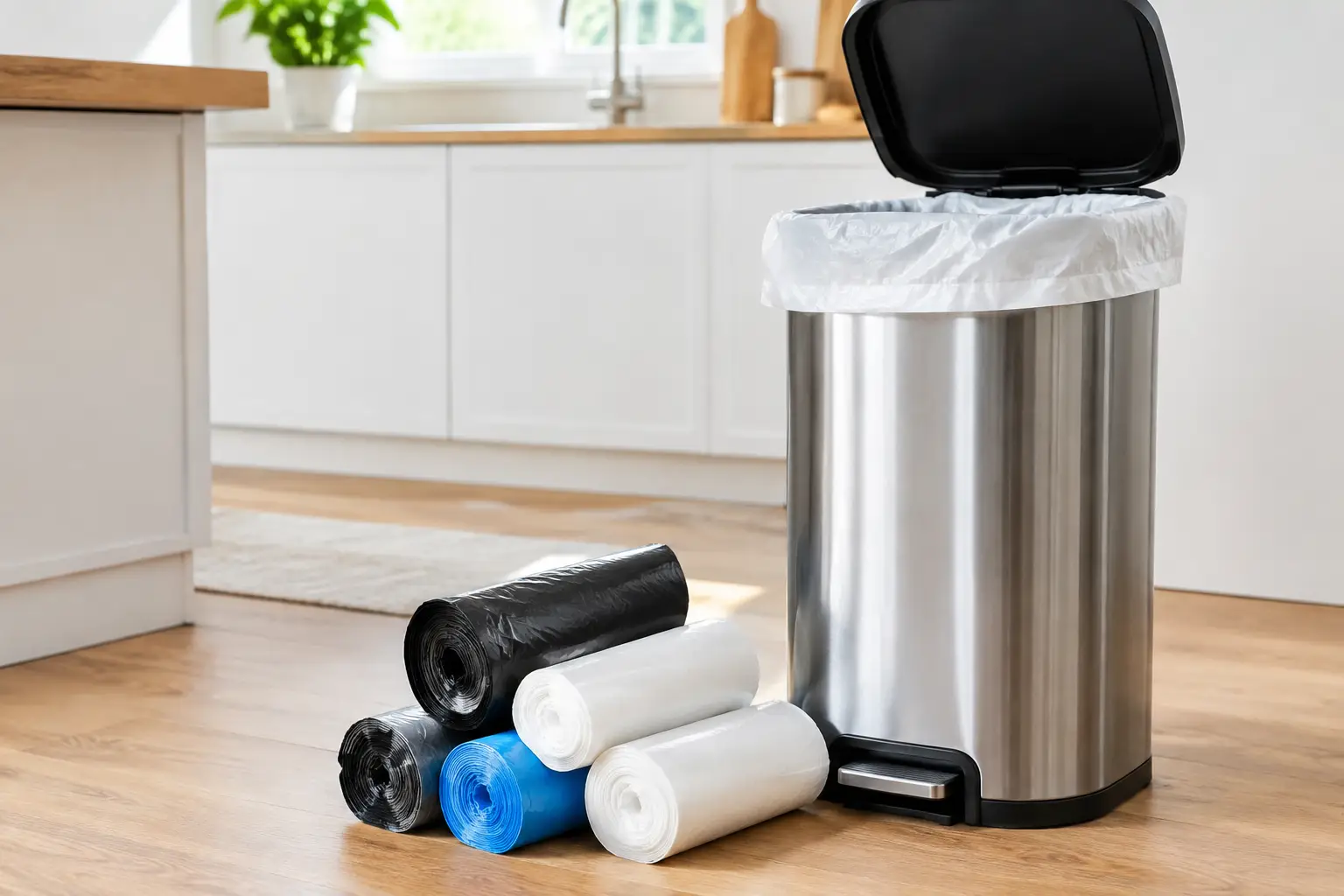
A split bag at the bottom of a full kitchen bin is the sort of small disaster that turns a quick tidy-up into a proper cleaning job. The best kitchen bin liners do more than cover the inside of the bin: they hold their shape, cope with daily food waste and come out without tearing when the bag is full. Choosing well means fewer leaks, fewer bin washes and one less household task to think about.
There is no single bag that suits every kitchen. A one-person flat, a busy family home and a household that separates food waste all put different demands on a liner. The easy answer is to match the bag to your bin size, the weight of what goes in it and how often you take it outside.
Capacity is the first thing to check. Kitchen bin liners are usually labelled in litres, but a bin’s stated capacity is not always the whole story. A bag needs enough extra material to fold over the rim and stay put, particularly on a pedal bin where the inner bucket moves up and down.
For a small under-sink bin, 10 to 20 litre bags may be enough. Compact kitchen caddies and slim recycling bins often suit 20 to 30 litre liners. Standard household pedal bins commonly need 30 to 50 litre bags, while larger family bins can call for 50 to 80 litres or more.
If the bag constantly slips inside, it is probably too small. If there is a large bundle of unused plastic gathered at the top, go down a size if the bag still reaches comfortably over the rim. Measuring the height and circumference of the inner bin is a useful back-up when a litre label does not seem to fit as expected.
A tall, narrow kitchen bin needs a different fit from a short, wide one, even if both hold the same number of litres. Drawstring liners are often a handy choice for taller bins because they can be pulled snug around the top. Swing bins and square bins may suit gusseted bags, which have folded sides to create more room and sit more neatly in the corners.
It is worth avoiding the temptation to stretch a small bag over a large rim. It may look fine when empty, but tension at the top makes a tear far more likely when you lift it out.
A liner’s thickness and material affect how it handles everyday rubbish. Thin bags can work well for dry, light waste such as packaging, tissues and paper. They are economical and take up little space in the cupboard. However, they are not the best choice for heavy peelings, damp tea bags, tins or leftovers.
For general kitchen use, look for strong or extra-strong liners. These are designed to resist punctures and strain, making them a more dependable option for households that fill a bin quickly. A slightly dearer bag can be better value if it prevents a leak that means cleaning the floor, the bin and anything stored nearby.
The type of rubbish matters just as much as the bag itself. Sharp food packaging, broken skewers, tin lids and glass should be wrapped before going into a general waste bag. No kitchen liner is completely puncture-proof, and a little care at the point of disposal goes a long way.
Tie-top liners have built-in handles that knot together when the bag is full. They are simple, reliable and a good all-round option for most kitchen bins. The handles also give you something clean to hold while carrying the rubbish out.
Drawstring bags close quickly and can help keep odours contained on the way to the outside bin. They are particularly useful in homes where rubbish may sit for a day or two before collection. The trade-off is that the drawstring section can reduce the usable height of the bag, so choosing a little extra capacity is sensible.
Plain top bags are often the budget-friendly pick. They work perfectly well where the bin is emptied frequently and the bag is not especially heavy. Keep a roll close by and use the spare material at the top to tie a secure knot before taking it out.
Scented bin liners can make a kitchen feel fresher, especially during warm weather or when food waste is waiting for collection. Fresh linen, citrus and floral fragrances are common choices. They can soften everyday smells, but they do not replace regular emptying or a clean bin.
Unscented bags are usually the better fit if anyone in the household is sensitive to fragrance, has allergies or simply prefers no added perfume around food preparation areas. They are also a straightforward option for a kitchen where waste is taken out daily.
If odours are the main problem, focus first on the cause. Drain wet food scraps where possible, keep raw meat packaging contained, wipe the bin lid and empty the bag before it is overfilled. A good liner helps, but a simple routine does more.
Recycled plastic bin liners are a practical way to use less virgin plastic while keeping the strength needed for household waste. Quality varies, so check that the bags are intended for kitchen use rather than light-duty bathroom bins. A recycled liner that tears easily creates more waste, not less.
Compostable liners are made for food-waste caddies and, where accepted, can go into a council food-waste collection with the scraps inside. They are not automatically suitable for a normal general-waste kitchen bin. Compostable materials can break down more readily, which is useful for food waste but less helpful if the bag will sit for a long time with wet rubbish in it.
Always follow your local council guidance for food and garden waste collections. Some councils accept compostable liners, while others ask for loose food waste or provide their own caddy liners. Putting the right bag in the right bin keeps recycling and composting simpler for everyone.
Most torn bags fail because they are too full, not because they are poor quality. Leave enough room at the top to close the bag without pulling hard. As a guide, empty a kitchen bin when it is around three-quarters full if it contains anything wet or heavy.
Keep a small supply of liners near the bin, rather than stored at the back of a cupboard. It makes changing the bag quick, and it is less likely that someone will balance rubbish on top of a full bin because they cannot find a replacement. A roll holder, drawer organiser or simple basket can keep different sizes tidy if your home uses separate waste and recycling bins.
Give the bin itself a quick wipe whenever you change the liner, particularly around the rim, lid and pedal. This takes less than a minute and stops spills becoming dried-on grime. For a deeper clean, wash the inner bucket with warm soapy water, dry it thoroughly and fit a fresh liner.
When comparing kitchen bin liners, check four everyday details: the litre capacity and shape of your bin, whether your waste is light or heavy, the closure you find easiest to use, and whether you need recycled, compostable, scented or unscented material. There is no need to pay for extra features that will not make your routine easier.
For many homes, a well-fitting extra-strong tie-top or drawstring liner is the dependable middle ground. Keep a smaller caddy liner for food waste if your local collection supports it, and use separate liners where recycling requires them.
A kitchen bin is not the most exciting household purchase, but the right bag makes a noticeable difference every day. Pick liners that fit properly, cope with your usual waste and are easy to grab when the bin needs changing – then let them take one messy job off your hands.
