Address
86 Amesbury Road
Manchester M9 6JF United Kingdom
Find the best solar garden lights UK homes can rely on, with advice on brightness, placement, weather resistance and value for every garden at home too.
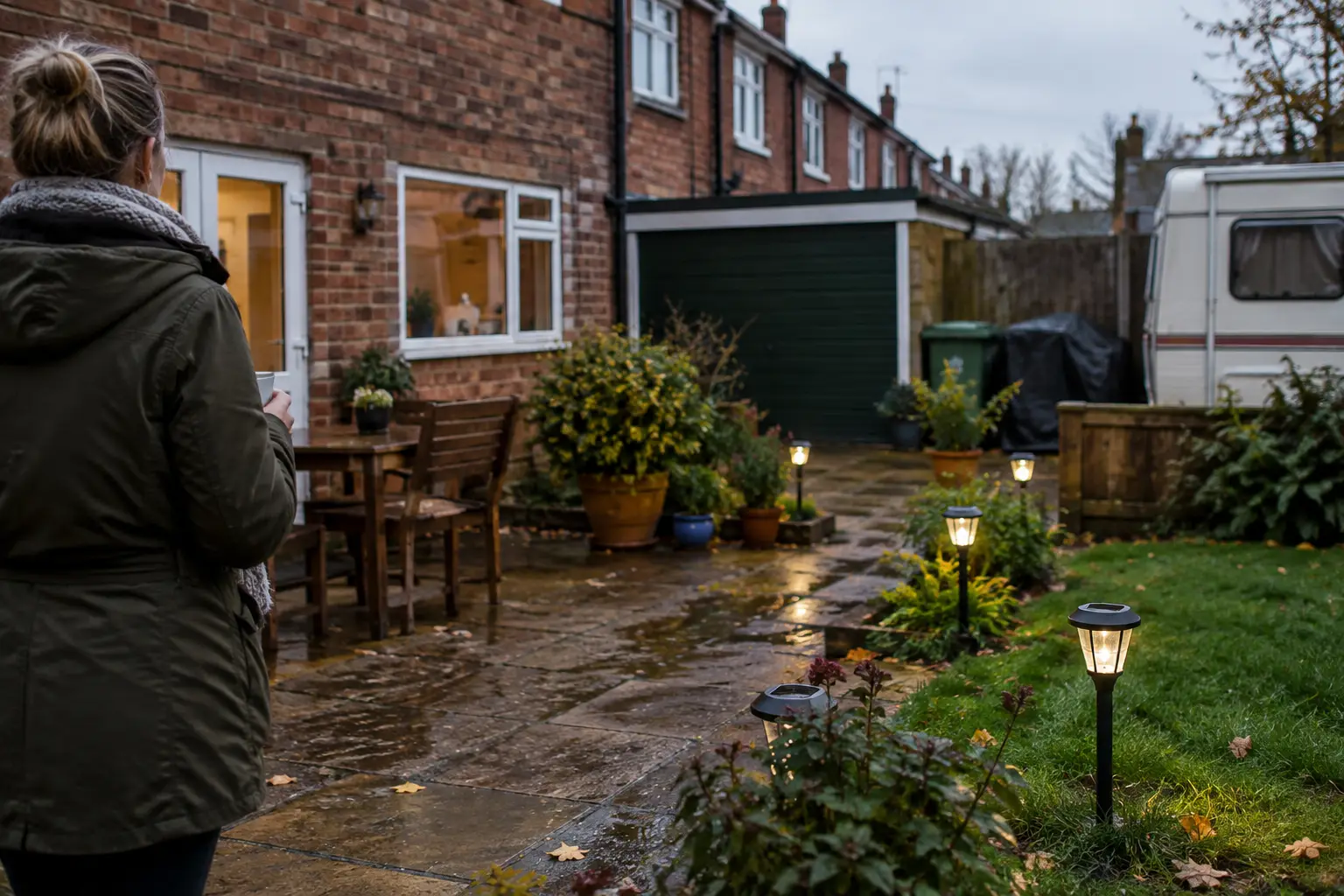
A string of solar lights can make a patio feel welcoming after tea, help guests see the path to the back door and give a quiet corner of the garden a bit more character. But finding the best solar garden lights UK households will actually enjoy using means looking beyond a pretty photo. Our weather, short winter days and shaded gardens all make a difference.
The good news is that there is a solar option for nearly every outdoor job. The trick is choosing lights that suit the space, rather than expecting one set of decorative lights to illuminate the whole garden.
Start with the job you need the lights to do. Decorative solar lights are ideal for creating atmosphere around borders, pots and tables. Path lights make steps, paving edges and routes through the garden easier to see. Solar security lights are brighter and usually use a separate panel, often with a motion sensor, to cover gates, driveways and side passages.
Trying to use fairy lights as security lighting will lead to disappointment, while a powerful motion light above a dining area can feel harsh. Matching the type of light to its purpose is the simplest way to get better value.
Brightness matters, but it is not the only measure of quality. For gentle ambience, a warm white glow is usually enough. For paths and hazards, look for a clearer, more focused light. If you want illumination that helps you find keys, take bins out or park safely, a solar floodlight with a larger panel and motion sensor is the sensible choice.
Also check the stated run time. A claim of eight hours may be realistic after a bright summer day, but in a grey British January even good solar lights will have less charge to work with. Honest expectations make solar lighting far more useful.
Stake lights are the easy option for lawn edges, flower beds and gravel paths. Place them close enough together that the route is visible, but not so close that the garden resembles an airport runway. A staggered arrangement can look more natural than rigidly spaced lights.
For steps, low-level deck lights or compact wall-mounted lights can be a better choice. The aim is to show the change in level without casting glare into someone’s eyes. If the entrance or driveway needs proper visibility, use a motion-sensor solar security light rather than relying on small stake lights.
Festoon lights, lanterns and fairy lights are made for atmosphere. Warm white tends to flatter timber, brick, planting and outdoor furniture, while cool white can feel sharper and more modern. Coloured lights can be fun for a party, but a steady warm setting is generally the most flexible for everyday use.
Solar string lights work best when the panel can sit in open daylight while the lights themselves are arranged where you want them. A detachable panel is handy here, especially if your seating area is beneath a pergola, awning or mature tree.
Small spotlights can pick out a specimen tree, water feature, wall or raised planter. Use them with restraint. Lighting one or two features creates depth, whereas lighting every shrub can make the garden look busy.
Solar lanterns are a simple choice for pots beside a door or along a patio edge. They are also easy to move when you are rearranging the garden for a barbecue or summer gathering.
These are practical spaces, so prioritise brightness, motion activation and a reliable mounting position. Choose a model with an adjustable head if you need to aim the beam towards a lock, step or narrow walkway. A separate solar panel can be worthwhile when the light fitting itself must sit in shade.
The panel does the hard work, so its position is often more important than the number of LEDs. Put it where it receives the most direct daylight, ideally facing south where possible and clear of overhanging branches, fences and gutters.
Even a small amount of shade can reduce charging, particularly during autumn and winter. Wipe the panel clean every few weeks with a soft damp cloth. Dust, pollen, bird mess and leaf debris all limit the light reaching it.
Before installing anything permanently, test the panel location for a few days. If the lights are dim or stop early, move the panel first. It is often a quicker fix than replacing the whole set.
British gardens put outdoor products through plenty: rain, frost, wind, muddy splashes and strong summer sun when it finally appears. Look for an IP rating that suits outdoor use. IP44 offers protection from splashes and is commonly fine for sheltered decorative lighting. For exposed areas, a higher rating such as IP65 gives better reassurance against rain and dust.
Check how the item is made as well. Metal stakes and thicker cables generally stand up better than very thin plastic parts, though a good-quality plastic light can still be practical and lightweight. Make sure battery compartments close securely, and avoid placing cable joins where water collects.
Wind is another consideration. Tall stake lights can loosen in soft soil, so push them in firmly and avoid exposed positions where they may be knocked over. For a more permanent look, use wall lights or low-profile deck lighting around hard landscaping.
Solar lights store power in rechargeable batteries. Over time, those batteries lose capacity, especially after repeated cold, damp winters. If a previously reliable light starts fading quickly, the battery may be the issue rather than the panel or LEDs.
Where replacement batteries are possible, check the battery type and size before buying. Replacing a tired rechargeable battery can extend the life of a favourite set and is often better value than replacing the lights. Never fit ordinary non-rechargeable batteries into a solar light.
For the best results, allow new lights to charge fully before their first proper use. Many have an on/off switch underneath or inside the housing, so check it is set to on before assuming there is a fault. It sounds obvious, but it catches plenty of people out.
When comparing solar garden lights, focus on the features that will affect daily use:
A few well-placed lights nearly always beat lots of mismatched ones. Start at the points you use most: the back door, patio, path, shed or gate. Then add softer decorative lighting where you sit or where planting deserves a little attention.
Keep the colour temperature consistent where possible. Mixing warm white, icy blue-white and multicolour lights can make a small garden feel cluttered. If you love a seasonal display, save colourful strings for occasions and keep the everyday scheme simple.
Solar lights are not a replacement for mains-powered lighting where safety-critical, all-night brightness is needed. They are, however, an affordable, cable-free way to make the garden more usable and more inviting. Choose for the job, give the panel proper daylight and let the lighting work quietly in the background – easy peasy.
