Address
86 Amesbury Road
Manchester M9 6JF United Kingdom
Use this car winter prep guide to check tyres, battery, fluids and emergency supplies, so frosty UK mornings and darker journeys are less of a hassle.
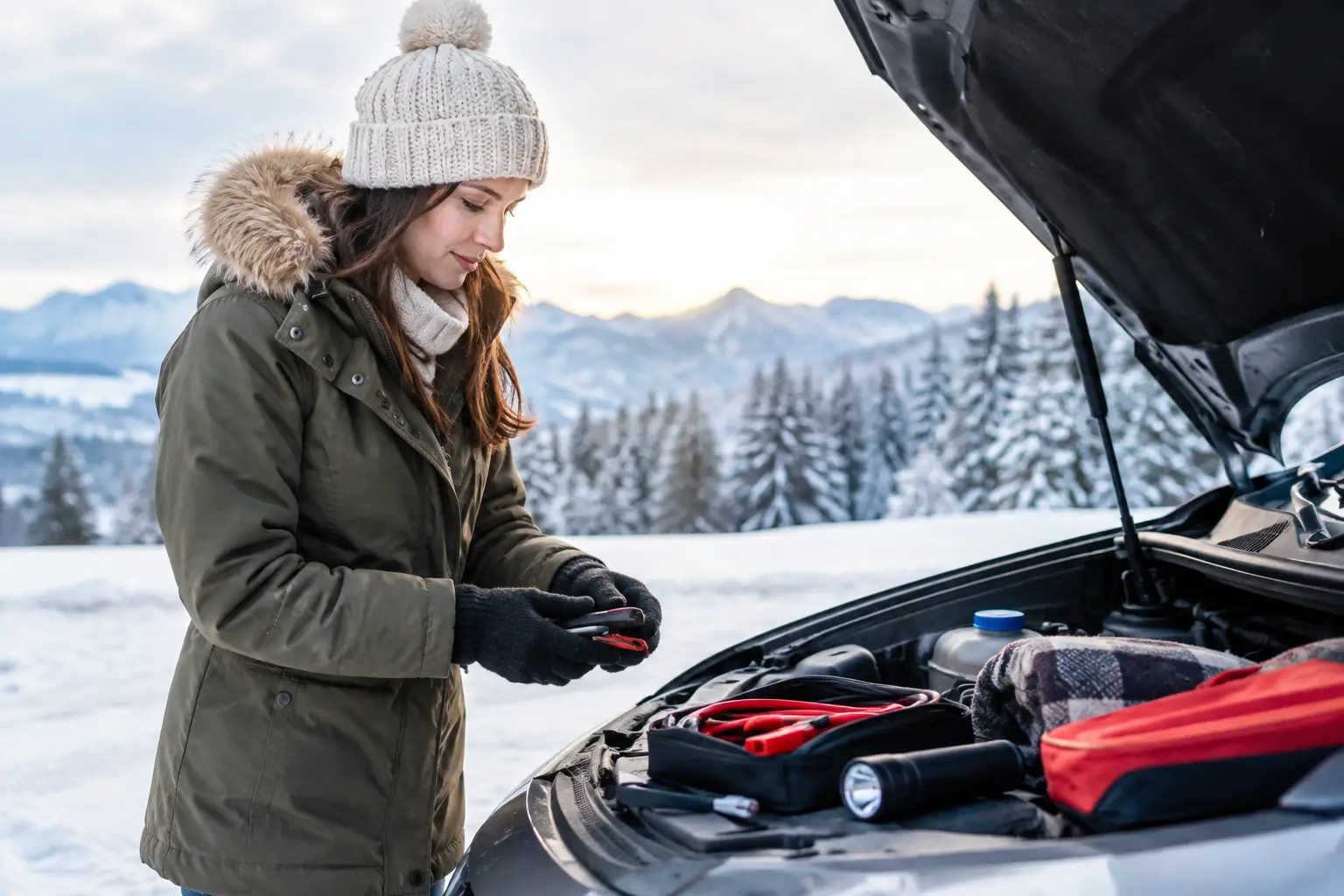
A frozen windscreen at 7am is annoying. A car that will not start when you are due at work, on the school run or heading away for the weekend is something else. This car winter prep guide focuses on the simple checks that make cold-weather driving safer, less stressful and much easier to manage.
You do not need to turn your driveway into a workshop or buy every gadget going. A little attention before temperatures drop can help you spot worn tyres, a tired battery or low fluid levels before they cause trouble. Set aside an hour, work through the essentials and keep a few useful items in the car.
Tyres are your only contact with the road, so they deserve first place on the list. Wet leaves, standing water, ice and slush can all reduce grip quickly, especially on country roads and untreated side streets.
Check tyre pressures when the tyres are cold, using the pressure listed in your vehicle handbook or on the sticker inside the driver’s door. A tyre that is under-inflated can affect handling, braking and fuel use. Remember to check the spare too, if your car has one.
The legal minimum tread depth in the UK is 1.6mm across the central three-quarters of the tyre, but that is a legal baseline, not a winter target. For better wet-weather performance, many drivers choose to replace tyres at around 3mm. Look closely for cracks, bulges, nails and uneven wear. Uneven wear may point to an alignment or suspension issue worth getting checked.
It depends on where and how often you drive. If you regularly travel on rural roads, cross higher ground or need your car every day regardless of the forecast, winter tyres can offer noticeably better grip in cold conditions. They are designed to work well below 7°C, not only in snow.
For mainly urban driving where roads are treated and you can avoid non-essential journeys in severe weather, good-quality all-season tyres may be the more practical option. Whatever you choose, fitting two different tyre types across the car is not a smart shortcut. Keep matching tyres on each axle at a minimum, and follow the manufacturer’s guidance.
Cold weather puts extra strain on a car battery. Oil is thicker, engines need more power to start and heaters, lights, demisters and wipers are all working harder. A battery that seemed fine in September can struggle after the first hard frost.
Watch for slow cranking, dim lights, warning messages or electrical features that behave oddly. If your battery is more than a few years old, a quick battery health test at a garage can be money well spent. Check that the terminals are secure and free from corrosion too.
Short journeys can be hard on batteries because the alternator may not have time to replace the energy used during starting. If you mostly make quick local trips, taking the car for a longer run now and then may help keep it charged. A battery charger or maintainer can also be handy for a second car, a caravan or a vehicle that is not used regularly.
Good visibility is not a luxury in winter. Low sun, rain on dark roads and a misted-up screen can make hazards difficult to see. Start with your washer fluid. Top it up with a winter-ready screenwash that is rated for below-zero temperatures. Plain water can freeze in the reservoir or on the windscreen, which is exactly when you need it most.
Check the engine coolant level only when the engine is cold. The correct coolant mixture protects the engine from freezing and overheating, but different vehicles require different specifications. If you are unsure which type is right, use the handbook or ask a qualified garage rather than mixing products at random.
Take a minute to test every exterior light: dipped beams, full beams, indicators, brake lights, reversing light, number plate lights and fog lights. Ask someone to help with the brake lights, or park near a reflective surface so you can see their glow. Clean the lenses as well. Mud and road grime can make even working lights much less effective.
Wiper blades that smear, squeak or leave lines across the glass need replacing. They are inexpensive, quick to fit on many cars and make a real difference during heavy rain. Wipe the rubber blades clean with a damp cloth, and clear leaves from the area below the windscreen so water can drain properly.
Never use boiling water to clear an icy windscreen. The sudden temperature change can crack glass, and the water may refreeze. Use a proper ice scraper and de-icer instead. Before setting off, clear all windows, mirrors, lights and the roof. Driving with a small cleared patch in the windscreen is unsafe and can leave you with a fine.
A few practical items can turn an awkward delay into a manageable one. Keep them together in a boot organiser or sturdy bag so they do not roll around with the shopping.
The right kit depends on your usual journeys. Someone doing a ten-minute commute in a busy town needs less than a family heading through rural areas for a winter holiday. Still, warm layers and a charged mobile phone are sensible for almost everyone.
Road salt helps keep traffic moving, but it can be tough on paintwork, wheel arches and the underside of your car. Give the vehicle a proper wash before winter really sets in, including the wheels and lower panels. A coat of wax or suitable paint protection can make grime easier to remove later.
During the season, rinse off salt when you can, especially after journeys on gritted roads. Pay attention to the wheel arches and door shuts. Check that door seals are clean and dry, too. A suitable rubber-care product can help stop them sticking in freezing conditions.
Do not forget the locks if your vehicle has a physical key barrel. Keep lock de-icer in your coat pocket or bag rather than inside the car. It is a small detail, but not much use once the door is frozen shut.
Preparation also means making sensible choices before you leave. Check the forecast and traffic updates for longer journeys, allow more time and keep your fuel level comfortably above empty. In remote areas or during poor weather, aiming for at least half a tank gives you more breathing room if traffic stops.
Dress for the conditions, but avoid driving in a bulky coat that stops the seatbelt sitting close to your body. Secure loose items in the boot, particularly umbrellas, tools and heavy shopping. They can become dangerous if you need to brake sharply.
If conditions look genuinely hazardous, ask whether the journey can wait. No checklist can make black ice safe, and confidence is not a substitute for grip. Slow down early, leave a bigger gap than usual and use gentle steering, braking and acceleration.
Winter car care is easier when it is not left until the first icy morning. Check pressures and fluid levels monthly, clean the lights whenever you wash the car and deal with small warning signs before they become a recovery call. EasyPeasyMate.Shop is built around those useful everyday bits that save time when life gets busy.
A prepared car will not change the forecast, but it gives you a better chance of handling whatever the morning brings. Put the essentials in the boot now, then you can spend less time scraping, waiting and worrying when winter arrives.
