Address
86 Amesbury Road
Manchester M9 6JF United Kingdom
Home organisation trends 2026 favour practical zones, flexible storage and less visual clutter. Make every cupboard, drawer and corner work harder daily.
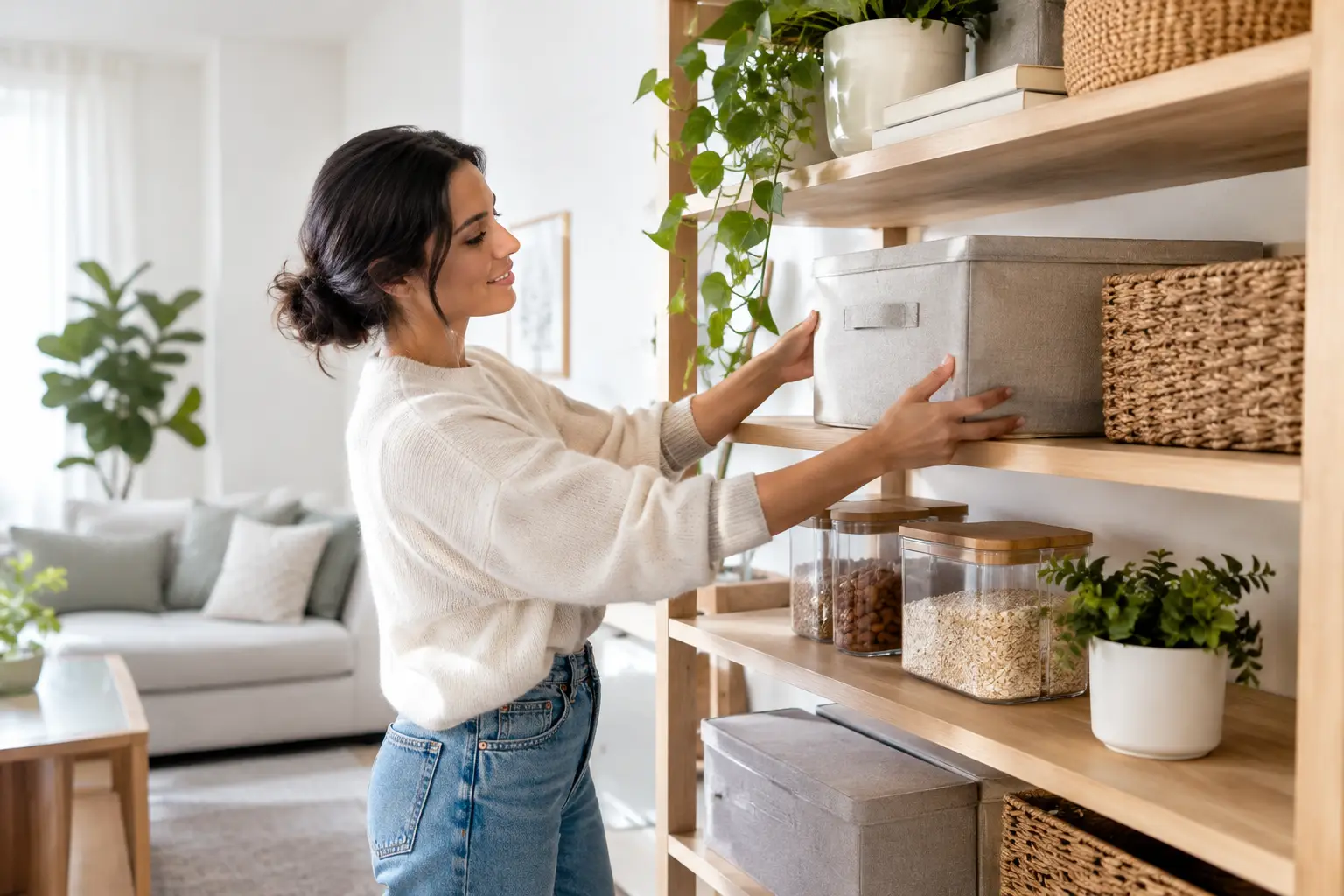
The kitchen drawer that jams, the hallway pile that keeps growing and the cupboard full of “useful” things nobody can find all point to the same problem: storage is only helpful when it suits real life. The leading home organisation trends 2026 are less about perfectly styled shelves and more about making everyday jobs quicker, calmer and easier to keep on top of.
For busy UK households, that means choosing practical organisers, creating clear homes for frequently used items and avoiding systems that take longer to maintain than the mess they are meant to solve. A tidy home is lovely, but a home that works well on a rainy school morning or after a big food shop is better.
The shift for 2026 is towards organisation that earns its place. People are moving away from buying matching containers simply because they look good online. Instead, the focus is on storage that fits awkward cupboards, makes cleaning easier and helps everyone in the home put things back without a debate.
This does not mean every room has to look minimal. Homes with children, pets, hobbies, gardens and regular visitors need equipment, supplies and spare bits. The aim is to reduce the daily hunt for things, not to pretend those things do not exist.
Homes change. A spare room becomes a nursery, then a study; a kitchen cupboard starts holding packed-lunch supplies; a hallway has to cope with muddy boots and sports kit. Fixed, highly specialised storage can become frustrating when routines change.
Modular drawer dividers, stackable baskets, lidded boxes and adjustable shelf organisers are becoming the sensible choice. They can move with you from room to room and adapt when your needs do. Clear boxes are useful for items you need to spot quickly, such as craft materials or cleaning refills, while opaque boxes can make open shelving feel less busy.
The trade-off is simple: buying a set of identical containers can create a tidy look, but only if the sizes genuinely suit what you own. Measure shelves and drawers first. A few well-chosen organisers usually work harder than a cupboard full of containers that are too tall, too deep or awkward to open.
One of the most useful home organisation trends for 2026 is the return of the proper drop zone. This is a small, deliberate area near the entrance where everyday carry-in and carry-out items live. Think keys, post, reusable bags, dog leads, chargers, school letters and umbrellas.
Without one, these items spread across the kitchen worktop, dining table and sofa. With one, the household has a simple landing place that stops clutter travelling further indoors.
A drop zone does not need a fitted hallway unit. A sturdy tray, wall hooks, a slim basket and a labelled box for post can be enough. If space is tight, use vertical storage. Hooks behind a door, a narrow wall shelf or hanging pockets can make a small hallway far more useful without blocking the route through.
Keep this area selective. It is for things that leave the house regularly, not a dumping ground for every item with no home. Check it once a week, recycle old leaflets and return misplaced items before the pile wins.
Traditional organising advice says to sort everything by room. That still has its place, but 2026 is bringing more routine-based thinking. Store items where they are used, and group them around the task they help you complete.
A cleaning caddy is a good example. Rather than keeping sprays, cloths and brushes in several cupboards, keep your most-used supplies together in a portable basket. It makes a quick bathroom clean or kitchen wipe-down less of a production. The same logic works for a car-cleaning kit, a gardening tote, a pet-care basket or a caravan essentials box.
This approach is especially useful in homes where storage is limited. You do not need duplicate supplies in every room. You need one kit that is easy to carry, easy to restock and always returned to the same place.
Some clutter is not rubbish or even untidy – it is simply mid-task. Returns waiting to be posted, batteries to recycle, birthday cards to send and items that belong upstairs often gather in random corners.
A small labelled basket for these in-between jobs gives them a boundary. Choose a regular reset point, such as Sunday evening or before the weekly shop, and empty it. This is a realistic habit for a working household because it accepts that not every task can be finished immediately.
Open shelves and clear containers remain useful, but the all-visible look is losing ground. Many people are finding that seeing every cable, packet, toy and spare light bulb makes a room feel busier than it needs to.
The answer is not to hide everything. It is to choose what deserves to be visible. Everyday crockery, neatly folded towels, favourite books and a few attractive storage jars can work well in the open. Less attractive essentials – cleaning cloths, spare toiletries, paperwork, pet food and cables – are usually better in closed boxes, baskets or cupboards.
This is where labels matter. A simple label saves time, particularly in shared homes. Keep wording clear and specific: “charging cables” is more useful than “miscellaneous”, and “packed lunch supplies” is easier for children to understand than “kitchen bits”.
For renters, flat dwellers and anyone with an overfilled utility cupboard, 2026 organisation is all about using overlooked space. The backs of doors, the inside of cupboard doors, the gap under a bed and the vertical height in wardrobes can all make a noticeable difference.
Under-bed storage works well for seasonal bedding, guest towels and clothing that is not currently in use. Choose containers that are easy to slide out and have secure lids if the area is dusty. In kitchens and bathrooms, shelf risers and turntable organisers can stop tall cupboards becoming a black hole for jars and bottles.
Be realistic about access. High shelves are ideal for Christmas decorations or holiday gear, but poor for something you reach for every day. Put the most-used things between waist and eye level, and reserve the awkward spaces for occasional items.
Another growing habit is organising before buying more. It is easy to pick up duplicate batteries, cleaning products, stationery or food because they are hidden behind older items. A quick reset can uncover what you already have and free up valuable space.
Start with one category rather than an entire room. Take everything out, check dates where relevant, group like with like and decide what is genuinely useful. Then choose a container or shelf arrangement that makes stock levels obvious. This is particularly worthwhile for pantry staples, toiletries, DIY supplies and gardening items.
If something has been kept “just in case” for years, ask a practical question: would you know it was there when you needed it? If the answer is no, it may not be earning its storage space.
The best system is one that other people can follow. If bins are too heavy, labels are too vague or a drawer requires perfect folding, it will not last long in a busy home.
Give children simple, reachable homes for toys, shoes and school items. Use a basket for each person’s outdoor gear if your hallway allows it. In shared kitchens, create a clear zone for lunchbox items and another for snacks. Small changes reduce the number of daily reminders and make tidying a two-minute job rather than an evening project.
It also helps to allow a little breathing room. Filling every box to the top looks efficient at first, but it makes putting things away harder. Leave space for new post, freshly washed cloths and the everyday extras that arrive during a normal week.
A well-organised home should support the life happening inside it, not demand constant attention. Start with the place that causes the most daily irritation, choose one simple solution and use it for a fortnight. If it saves time and stays easy to maintain, you have found an organising trend worth keeping.
