Address
86 Amesbury Road
Manchester M9 6JF United Kingdom
When to replace wipers? Spot streaks, squeaks and poor clearing early, then choose and fit blades that keep every wet-weather journey safer this winter.
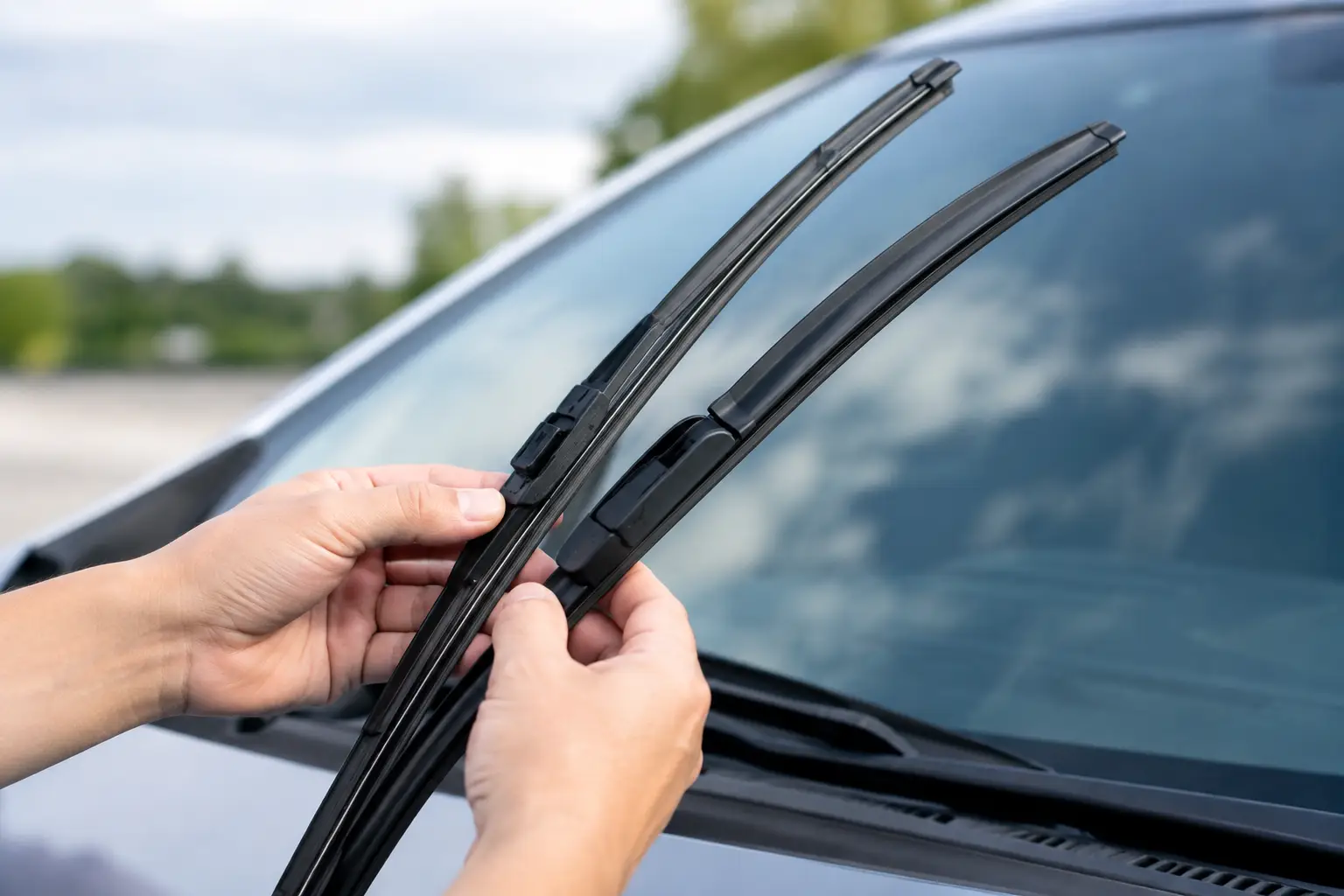
A light shower should not turn the windscreen into a blur. If your wipers leave smears across your line of sight, judder noisily or miss sections of glass, you may be wondering when to replace wipers. The answer is usually sooner than many drivers think. Wiper blades are inexpensive, quick to change and make a real difference when rain, road spray and low winter sun arrive together.
For most cars, changing the front wiper blades every six to 12 months is a sensible rule of thumb. But time alone is not the best test. A car parked outside through frosty winters and hot sunny spells may need new blades more often than one kept in a garage. What matters most is how well they clear the screen.
Your wipers should sweep smoothly and leave the glass clear in one or two passes. If you need to keep using the washer and wipers to see properly in ordinary rain, the blades are no longer doing their job.
The clearest warning signs are streaking, smearing and missed patches. Streaks can sometimes come from a dirty windscreen or blades coated in traffic film, tree sap or wax. Give both a proper clean first. If the marks remain, the rubber edge has probably hardened, split or worn unevenly.
Squeaking and juddering are also common clues. A brief squeak on a dry screen does not necessarily mean the blade is finished, so avoid running wipers without water or washer fluid. However, repeated chattering in wet conditions often means the rubber is no longer sitting evenly against the glass.
Look closely at the blade during a quick check. Replace it if you see cracks, tears, frayed ends, loose rubber or a bent frame. A damaged blade can drag grit across the windscreen, which is not only irritating but may contribute to scratches over time.
Poor clearing at the top, bottom or corners of the screen matters too. It may indicate the wrong blade length, a worn blade, a twisted wiper arm or an obstruction at the hinge. Do not assume a new blade will cure every issue. If a fresh, correctly fitted blade still misses the same area, the arm may need attention.
It is easy to put off replacing wipers because they still move across the windscreen. Yet visibility can worsen gradually, so you may only notice the problem when driving after dark in heavy rain. Headlights from oncoming cars, reflections on wet tarmac and spray from lorries can quickly make a smeared screen hard to read.
Good wiper blades are a small bit of routine car maintenance that supports safer, calmer driving. They are particularly worth checking before autumn and winter, before a long holiday drive, or if the car has spent weeks parked under trees. Pollen, leaves, bird droppings and grime all take their toll on rubber.
Remember the rear wiper as well. It does less work on many cars, but it is exposed to the same weather and can be vital when reversing in rain. Estate cars, SUVs and hatchbacks often rely on that rear view more than drivers realise.
Before ordering replacement blades, try cleaning them. Lift each arm carefully away from the screen and wipe the rubber edge with a clean, damp cloth. A little car shampoo diluted in water can help shift greasy build-up. Clean the windscreen too, including the lower edge where dirt collects.
Avoid harsh solvents, petrol or abrasive pads. These can damage the rubber, strip protective coatings from the glass or leave residue behind. Check that the washer jets are aimed properly and that the reservoir is topped up with suitable screenwash, especially in colder weather.
If cleaning restores a clear, quiet sweep, keep an eye on the blades and replace them when the symptoms return. If they still skip, split or smear straight away, fitting new ones is the easier option.
The right blade is not simply the longest one that fits. Cars can use different lengths on the driver and passenger sides, and some use a specific rear blade. Check your vehicle handbook, the existing blade measurements or a vehicle compatibility guide before buying.
There are two common styles. Conventional frame blades have a visible metal or plastic structure that applies pressure at several points. They are widely available and often good value. Flat, or beam, blades have a cleaner curved design and more even pressure across the screen. They can perform well in heavy rain and are common on newer cars, although the correct fit still matters more than the style.
Pay attention to the connector as well as the length. Hook-style arms are familiar, but side-pin, bayonet and push-button fittings also exist. Many replacement packs include adaptors, yet not every adaptor suits every vehicle. For a no-fuss job, choose blades clearly listed as compatible with your make, model and year.
Do not forget that cheaper is not always better if the rubber is thin, poorly shaped or difficult to fit. On the other hand, the most expensive option is not automatically necessary for a lightly used car. A dependable, correctly sized pair changed at the right time is the practical choice.
Changing wiper blades is usually a straightforward job that takes only a few minutes. Start with the ignition off and the wipers parked in their normal position. Place a folded towel on the windscreen before lifting an arm. If the arm slips from your hand, the towel helps protect the glass from the metal end.
Lift one arm at a time, remove the old blade according to its fitting type and slide or click the new one into place. You should feel or hear it lock securely. Lower the arm gently – never let it snap back against the screen – then repeat on the other side.
Once fitted, add screenwash and test the blades with plenty of fluid. Check that they sweep cleanly, do not catch the windscreen trim and do not leave the old streaks behind. If a blade is noisy after fitting, make sure any protective strip has been removed and that the adaptor is seated properly.
A few simple habits can extend blade life. Clear snow and thick ice with a scraper before switching on the wipers. Trying to force frozen blades across the screen can tear the rubber, strain the wiper motor and scratch the glass with trapped grit.
In frosty weather, do not leave the wipers stuck to the windscreen overnight. If practical, lift them away from the glass after parking, or use a windscreen cover. Keep the screen clean and use proper screenwash rather than plain water, which can freeze and does not cut through oily road film as effectively.
Try not to use the wipers as a brush for dry dust, leaves or heavy mud. Wash or wipe away debris first. It takes little effort and helps prevent the uneven wear that causes annoying smears later.
If your wipers are streaking, squeaking or leaving areas uncleared, replacing them now is a simple job that can make every rainy journey easier. Keep a suitable pair on hand with your other car essentials, particularly before the colder, wetter months. A clear windscreen is one less thing to worry about when the weather turns.
