Address
86 Amesbury Road
Manchester M9 6JF United Kingdom
Make autumn in your garden count with practical jobs for lawns, beds, pots and tools, so spring starts tidier, healthier and easier to manage overall.
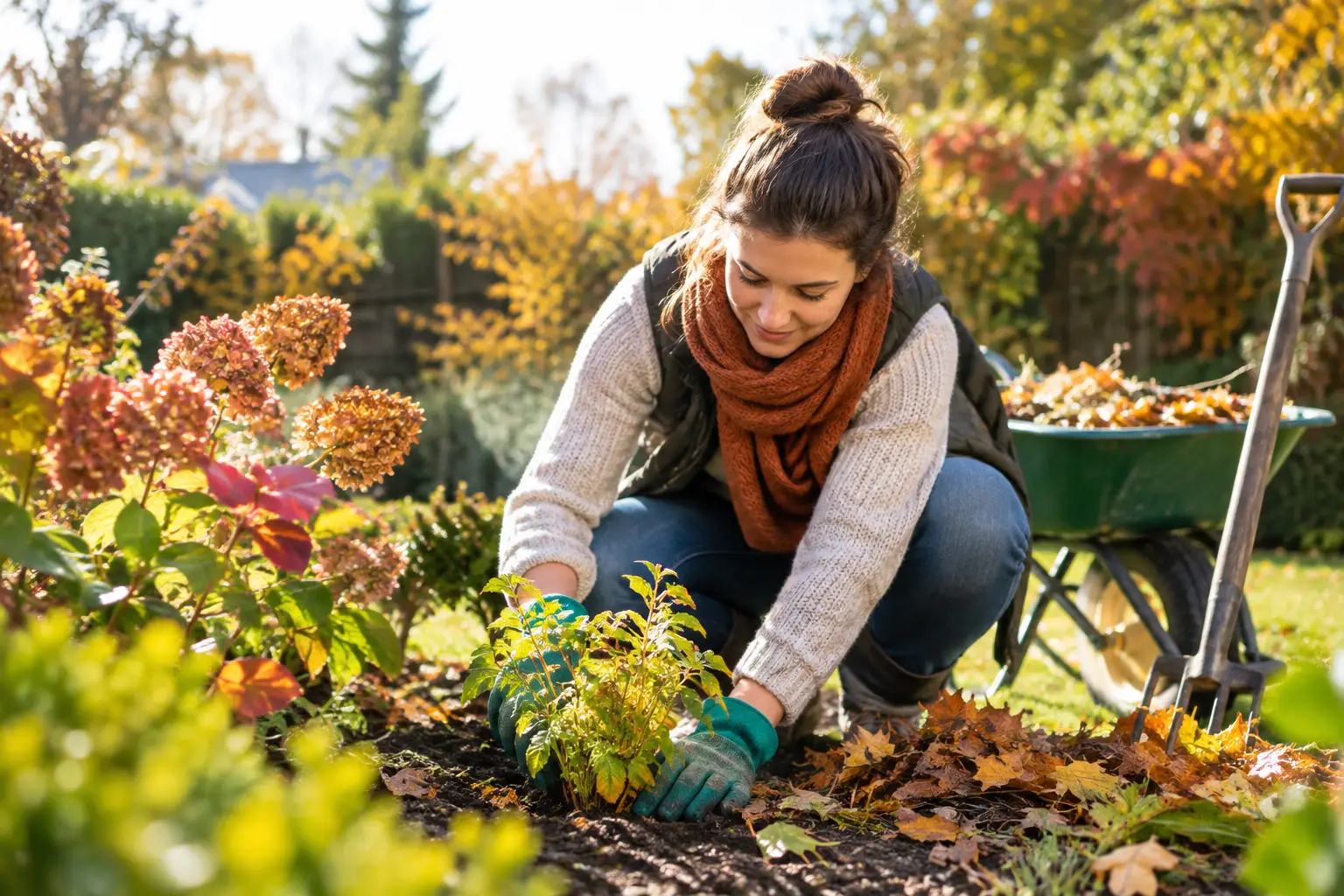
A wet Sunday, a lawn scattered with leaves and a few tired-looking pots can make it tempting to shut the back door and leave the garden until spring. But autumn in your garden is the season that makes next year easier. A few sensible jobs now protect plants through winter, prevent small problems becoming bigger ones and save a fair bit of clearing-up when the days get longer again.
You do not need to make the whole garden picture-perfect in one weekend. Work through the areas that matter most, choose a dry spell where possible, and leave room for wildlife as well as your own plans. The aim is a garden that is tidy enough to manage, not stripped bare.
Autumn is when plants slow down above ground while soil often remains warm enough for roots to keep growing. That makes it a useful time for planting, dividing and feeding beds with organic matter. It is also prime time for fallen leaves, damp conditions and blocked gutters, all of which can create avoidable work if ignored.
The right approach depends on your garden. A neat patio garden with containers needs a different routine from a larger plot with lawns, hedges and mature borders. Likewise, do not cut back every faded stem simply because it looks untidy. Seedheads can feed birds, hollow stems can shelter insects and old growth helps protect plant crowns from hard frosts.
Leaves are not garden rubbish by default. On beds, beneath hedges and in quiet corners, a thin layer can break down naturally or provide a useful habitat. The problem comes when a thick, wet layer smothers a lawn, blocks drains or sits on paths and turns slippery.
Rake leaves off grass regularly, especially after heavy rain, and keep paths, steps and drains clear. If you have space, collect the leaves in a breathable bag or simple wire enclosure and let them rot down into leaf mould. It takes patience, but the result is a lovely soil conditioner for beds and pots.
Avoid piling leaves straight onto a small pond, as too much decaying matter can affect water quality. A net over the pond for the main leaf-fall period can make this job far easier.
A lawn does not need the same treatment in November as it did in June. Keep mowing while the grass is actively growing, but raise the mower blades so you are not cutting it too short. A close cut before cold, wet weather can weaken grass and leave it more open to moss.
Choose a dry day and avoid mowing frosty or waterlogged ground. Rake out heavy leaf cover, edge borders if they have crept onto paths, and repair obvious bare patches early in the season if conditions are still mild. Once growth slows, keep off the lawn when it is sodden rather than compacting the soil underfoot.
If moss is a repeat issue, look at the cause rather than just treating what you can see. Shade, poor drainage, compacted soil and mowing too low are common reasons. Autumn is a good moment to notice the pattern and plan a fix for spring.
Remove yellowing foliage from perennials that are showing signs of disease, and clear away fallen leaves around roses if black spot has been a problem. Putting infected material in household green-waste collection, where available, is usually safer than adding it to a home compost heap.
Otherwise, be selective. Ornamental grasses, sedums, echinacea and many other plants look attractive with frost on them and offer food or cover for wildlife. Leave healthy stems standing until late winter, then cut them back before fresh growth gets underway.
Tender plants are different. Dahlias may need lifting in colder or exposed areas after the first frost has blackened their foliage. In sheltered parts of the UK, some gardeners leave them in the ground under a thick mulch, but this is a gamble on heavy, wet soils. If you know your patch gets waterlogged, lifting and storing tubers somewhere cool and frost-free is the safer bet.
Autumn planting is one of the easiest ways to make a garden feel more generous next year. Spring-flowering bulbs need time in the soil before winter, while bare-root hedging, roses and fruit trees are often good value once they are dormant.
Before buying, take a proper look at light, soil and space. A bargain shrub that grows too large for the border soon becomes another pruning job. For a small garden, bulbs in groups, evergreen structure and a few long-flowering perennials can give more impact than filling every gap with short-lived bedding plants.
Plant bulbs at roughly two to three times their own depth, unless the packet says otherwise, and use gritty compost or raised pots if drainage is poor. Squirrels can be persistent, so covering freshly planted pots with mesh until shoots appear may be worthwhile.
If you grow food, autumn is also a good time to plant garlic, start broad beans in milder spots and prepare beds for next season. Do not leave bare soil exposed if you can help it. A layer of compost, well-rotted manure or mulch protects the surface from winter rain and gives worms something to work on.
Pots are easy to overlook, yet they feel the cold more sharply than plants growing in the ground. Move tender container plants closer to a house wall, into a greenhouse or somewhere sheltered before the first hard frosts. Grouping pots together also helps reduce exposure to wind.
Check that every container has a clear drainage hole. Standing water is a bigger winter danger than low temperatures for many plants, especially herbs, succulents and Mediterranean favourites. Lift pots slightly on feet, bricks or purpose-made risers so water can escape instead of pooling underneath.
This is also a useful time to empty tired summer displays. Refresh compost where practical, wash pots before reusing them and plant up a few with hardy cyclamen, violas, heucheras or evergreen foliage. Even one or two welcoming containers by the door make a grey day feel less gloomy.
Autumn mulch is one of the highest-value jobs in the garden. Spread a 5cm layer of garden compost, leaf mould or well-rotted manure over bare beds and around established shrubs. Keep it a few centimetres away from stems and trunks so moisture does not sit against them.
You do not need to dig it in. Worms and weather will gradually pull the material into the soil, improving its structure and helping it hold moisture when summer returns. On heavy clay, this can make a real difference over time. On sandy soil, it helps stop water and nutrients disappearing too quickly.
Fresh manure is not suitable for every job, particularly around young plants, and homemade compost can contain weed seeds if it has not heated up properly. When in doubt, use well-rotted material and save vigorous digging for compacted areas that genuinely need it.
A muddy spade left outside all winter is an expensive nuisance waiting to happen. Brush soil from forks, spades and hand tools, wash off sticky sap from secateurs, and dry everything thoroughly. A light wipe of oil on metal parts helps prevent rust, while wooden handles benefit from being kept dry and splinter-free.
Check blades before putting tools away. Sharp secateurs make clean cuts that heal better than crushed, ragged ones. Replace cracked handles, worn gloves and frayed hose fittings now, when you are not halfway through a spring job and short on time.
Do the same with garden furniture, barbecues and outdoor storage. Covering, cleaning or bringing in what you can will extend its life. Practical seasonal kit does not have to be complicated, which is exactly the kind of everyday job EasyPeasyMate.Shop is made for.
A completely cleared garden may look orderly, but it can be a tough place for wildlife to get through winter. Leave a small pile of logs in a tucked-away corner, keep some seedheads intact and avoid disturbing dense ivy or hedges where birds may be sheltering. If you put out food for birds, keep feeders clean and top up water when it freezes.
Walk around after a windy day and look for practical hazards too. Secure loose trellis, check fence panels, clear gutters and make sure water butts are sound. Turn off and drain hoses before a hard frost, and protect outdoor taps if they are exposed.
Choose one clear, dry hour this week and start with the job that will make the biggest difference at your own back door. By spring, you will be very glad you did.
