Address
86 Amesbury Road
Manchester M9 6JF United Kingdom
Find the best bird feeding accessories for a tidier, safer garden bird station, from seed trays and guards to cleaning tools and water dishes each day.
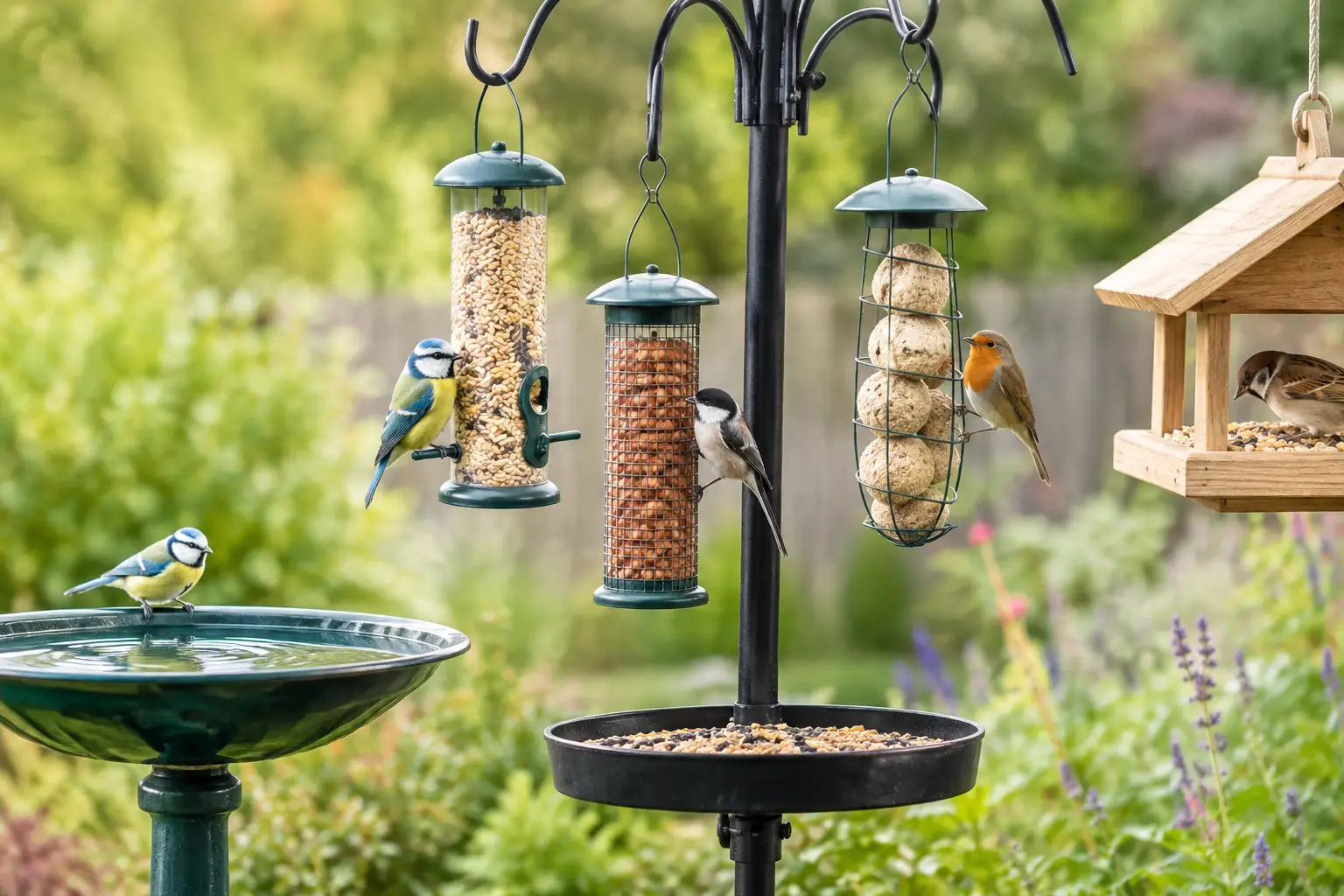
A bird feeder can turn a quiet patio or back garden into a daily wildlife show, but it can also create wet seed, scattered husks and awkward cleaning jobs. The best bird feeding accessories solve those small problems without making your routine complicated. Choose a few that suit your space, the birds you see and the food you put out, and feeding garden birds becomes easier, tidier and more rewarding.
You do not need every add-on at once. Start with the accessory that fixes the biggest nuisance in your garden, whether that is rain getting into seed, squirrels reaching the feeder or birds dropping food across the paving. A well-set-up feeding station should be simple to refill, safe for birds to use and straightforward to clean.
A seed tray fitted beneath a hanging feeder is one of the most useful upgrades for a small garden. It catches dropped seed and husks before they land on decking, lawns or paving, helping to reduce waste and keep the feeding area looking presentable.
It can also give smaller birds a second place to feed. Check the tray does not hold rainwater and empty old, damp food regularly. A tray is handy, but it should not become a place where spoiled seed sits for days.
British weather is rarely kind to an exposed feeder. A clear weather dome above a feeder helps shield seed and suet from rain while still letting you see when it needs topping up. It is especially useful for hanging feeders placed away from sheltering shrubs or trees.
Size matters here. A dome should extend beyond the feeder ports without blocking birds from landing. It will not make food completely waterproof in a downpour, so it is still worth putting out smaller amounts during very wet spells.
Squirrels are clever, determined and entertaining – right up until they empty a feeder intended for blue tits in an afternoon. A squirrel guard is a practical choice where squirrels are regular visitors. Cage-style guards surround the feeder and allow small birds through, while baffles help make it harder for squirrels to climb a pole or reach a hanging feeder.
No guard is perfect in every garden. Squirrels can jump impressive distances, so place feeders away from fences, sheds and overhanging branches. If larger birds such as starlings also visit, make sure any cage openings are suitable for the species you want to support.
A sturdy feeder pole with hooks creates a dedicated feeding area and makes it easy to hang more than one feeder. You might use one hook for seed, another for peanuts and a third for fat balls, giving different birds room to feed without crowding around a single tube.
Look for a stable ground spike or base, depending on your surface. The pole should be high enough to discourage easy access by cats, while still being convenient for you to refill. Avoid placing it directly beside dense cover where a cat could hide, but keep some shrubs nearby so birds have a safe place to retreat to.
It is easy to overlook the humble hanger until a feeder swings wildly in the wind or the hook is too narrow for your chosen feeder. Strong metal hooks, hanging brackets and simple clips make feeders easier to position and remove for cleaning.
A secure hanger is particularly helpful on balconies, fences and compact patios where a full feeding station is not practical. Choose fittings made for outdoor use and check them occasionally for rust, looseness or wear. A feeder that falls can break, waste food and frighten birds away from the area.
Not every bird prefers a hanging feeder. Blackbirds, robins, dunnocks and chaffinches often appreciate food served closer to ground level. A raised ground feeding tray keeps food off wet soil and allows rain to drain away more easily than placing seed directly on the lawn.
Put a small amount of suitable food out at a time and clear leftovers before nightfall where possible. Ground feeding can attract other animals as well as birds, so a tray is best used with a little observation rather than left full all day. If rats or mice become a concern, pause ground feeding and focus on secure hanging feeders.
Fresh water is one of the most overlooked bird feeding accessories. Birds need it for drinking and bathing, particularly during dry weather, frosty mornings and the busy breeding season. A shallow, easy-to-clean water dish with a gently sloping edge gives smaller birds a safer way to drink.
Place a few clean stones in a deeper dish to create a secure footing. Refresh the water every day if you can, and scrub the dish regularly. In winter, use fresh water to replace frozen water rather than adding salt, antifreeze or other products that could harm wildlife.
Smooth bird baths can be difficult for small birds to use, especially if the water level changes. A textured bath insert, grip mat made for outdoor wildlife use or a few rough stones can provide footing and make bathing feel safer.
Keep the centre shallow enough for garden birds. Deep, decorative bowls may look attractive, but a practical bath that is easy to empty and clean will be used more often and save you work in the long run.
The most successful feeding routine is one you can keep up through busy weeks, rainy weekends and winter mornings. These accessories are less visible than a colourful feeder, but they make a real difference to hygiene and storage.
Seed tubes, ports and narrow corners can trap damp food and debris. A dedicated feeder brush with a long, narrow head makes cleaning far easier than trying to reach inside with a cloth. Have a separate brush for bird equipment rather than using one from the kitchen.
Clean feeders on a regular schedule, and more often if you notice mould, caked seed or droppings. Wash with hot, soapy water, rinse thoroughly and allow everything to dry fully before refilling. If birds appear unwell around a feeder, remove it, clean it carefully and stop feeding temporarily if needed.
A simple scoop stops seed going everywhere when you refill feeders. It is quicker than pouring from a large bag, easier on the hands and useful for measuring modest portions during damp weather.
Keep the scoop dry and store it with the food. Using one scoop for each food type can help prevent oily sunflower hearts, suet crumbs and seed mixes from turning into a sticky jumble.
Bird food lasts better when it is kept cool, dry and away from pests. A lidded storage tub protects bags from moisture and makes it easier to keep your shed, utility room or garage organised. Clear containers are convenient because you can see when supplies are running low, while opaque tubs can help protect food from light.
Only buy as much food as you can use while it is fresh. Check containers for crumbs around the rim and clean them between refills. A tidy store is less likely to attract unwanted visitors.
Perches, bases, ports and hanging loops can wear out long before the whole feeder does. Keeping a few compatible spare parts, where available, can be a sensible money-saving move. It also means a cracked base does not leave you trying to balance a feeder with string while the rain starts.
Before buying replacements, check the feeder’s design and measurements. Sometimes replacing one well-used feeder is the safer option, particularly if plastic has become brittle or the feeder is difficult to clean properly.
For a flat with a balcony, a secure hook, compact feeder, weather dome and water dish may be all you need. In a larger garden, a pole, seed tray, squirrel baffle and separate ground tray can create a more useful set-up. The best choice depends on local wildlife, available space and how much maintenance you can realistically manage.
Keep food dry, water fresh and feeding areas clean, then let the birds show you what works. A few practical accessories can turn a messy feeder into a small, reliable part of your day – with more time for watching the visitors and less time sweeping up after them.
