Address
86 Amesbury Road
Manchester M9 6JF United Kingdom
Our furniture protector guide helps you choose covers, pads and sprays that guard sofas, tables and floors from spills, scratches, pets and daily wear.
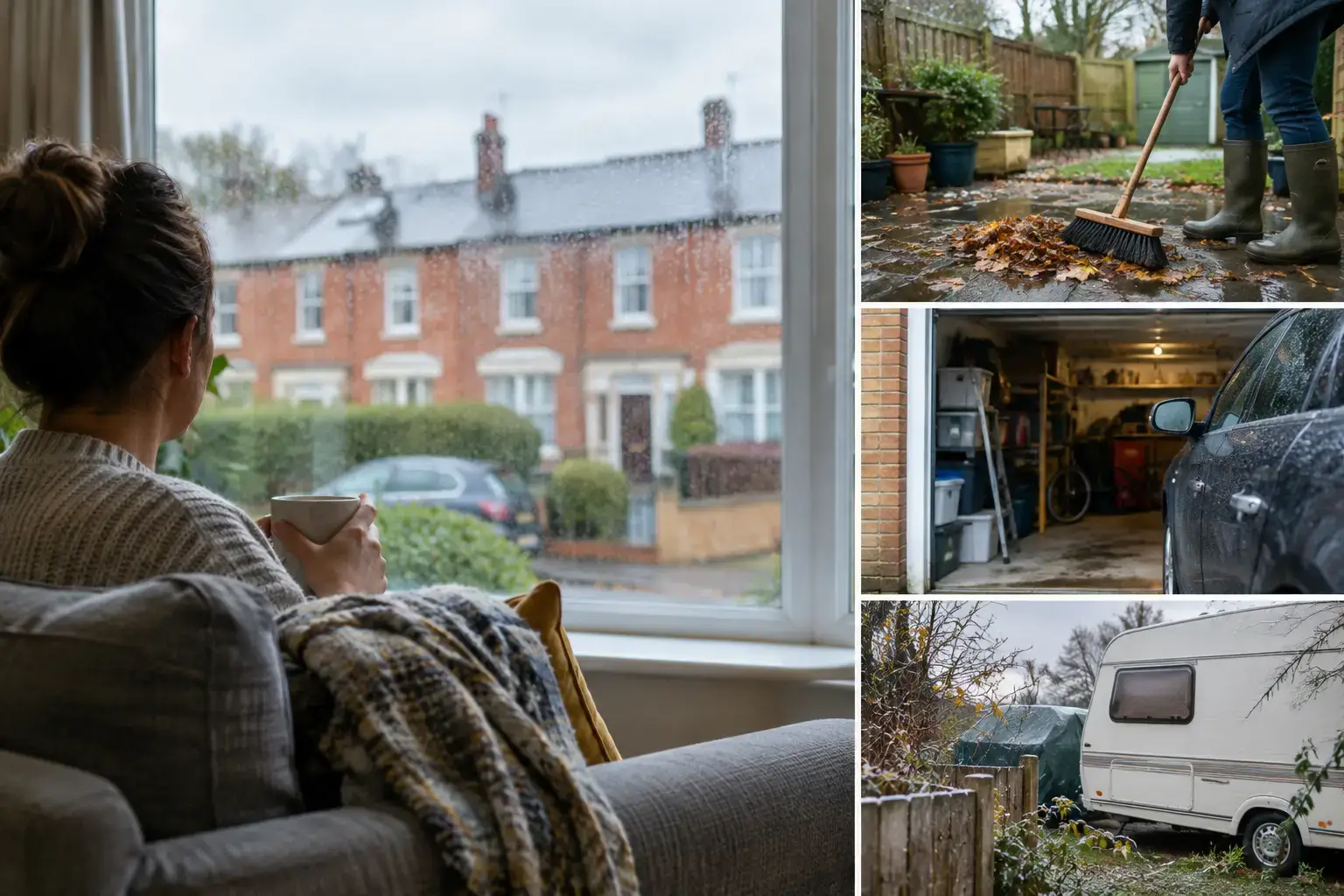
A knocked-over cuppa, a dog launching itself onto the sofa, chair legs scraping across a newly cleaned floor – everyday life can be hard on furniture. This furniture protector guide cuts through the fuss and helps you choose practical protection that suits your home, your furniture and the way you actually live.
The right solution is rarely one giant cover for everything. A family sofa may need a washable throw, the dining table may need heat-resistant mats, and a wooden floor may simply need decent felt pads under every chair. Start with the risk you want to reduce, then choose the least intrusive protector that will do the job.
Before buying anything, take a quick walk around the rooms that work hardest. Think about where food and drinks are served, where children play, where pets sleep and which items get shifted during cleaning. Protecting high-use pieces first gives you the best value and avoids filling cupboards with products you do not need.
A pale fabric sofa in a home with children or pets has a very different job from an occasional chair in a spare room. Likewise, an oak dining table needs protection from heat, water rings and scratches, while a glass table is more likely to show smears and chips around the edges. The material matters as much as the room.
It also helps to be honest about your routine. If you will not remove and refit a fitted sofa cover every week, a washable throw or seat cover may be the better choice. The best furniture protector is the one you will keep using.
For fabric upholstery, washable throws and sofa covers provide the most immediate barrier. They are especially handy on the seat cushions and arms where most spills happen. Choose a cover that can be machine washed at a temperature suitable for everyday stains, and check the dimensions before ordering. A cover that constantly slides about quickly becomes more annoying than useful.
Fabric protection sprays can also help liquids bead on the surface long enough to blot them up. They are useful for cushions, dining chairs and occasional upholstered pieces, but they are not a licence to leave spills sitting there. Always test a hidden patch first, follow the ventilation and drying instructions, and make sure the product is suitable for your particular fabric.
Leather and faux leather need a different approach. Wipe spills promptly with a soft, lightly damp cloth, then use a care product designed specifically for that finish if needed. Fabric sprays can leave marks or affect the surface, so do not assume one protector works across every material.
Felt furniture pads are one of the simplest fixes in the home. Applied to chair, table and cabinet feet, they reduce scraping on hard floors and make furniture easier to move for cleaning. They are particularly useful on wood, laminate, vinyl and tile.
The small detail that makes a difference is preparation. Clean and dry the underside of each leg before sticking pads on, otherwise dust and furniture polish can stop the adhesive holding properly. Check them every few months too. Grit caught in a worn pad can scratch a floor just as easily as a bare chair leg.
For heavier furniture, look for pads designed to take the weight rather than using thin felt squares intended for lightweight chairs. If a sofa or wardrobe never moves, wider floor protectors can spread the load and help reduce dents in carpets and softer flooring. This is a small job that can save a much bigger flooring repair later.
Dining tables take more punishment than most people realise. Mugs leave rings, plates can mark delicate finishes and serving dishes bring heat directly onto the surface. Placemats and coasters are the everyday essentials, while trivets or heat-resistant table mats are worth keeping close by for pans and oven dishes.
For a table used for homework, crafts or family meals, a wipe-clean tablecloth or clear protective cover can be a sensible option. Clear covers let the tabletop show through, but they can trap moisture if placed over a damp surface. Remove them now and then, let the table breathe and wipe underneath before moisture has a chance to affect the finish.
Avoid dragging ceramics, ornaments or heavy centrepieces across wood, glass or painted surfaces. Small felt dots underneath lamps, vases and decorative bowls are an easy, low-cost way to prevent fine scratches.
Sunlight can gradually fade fabric, timber and leather, especially near south-facing windows. Curtains, blinds and repositioning furniture can help, but protective covers are useful when a room is unused for long periods or when furniture is stored in a garage, loft or caravan.
Choose breathable covers for stored furniture where possible. A fully sealed plastic layer may keep dust off, but it can also hold moisture against the surface in damp conditions. That is not ideal for wood, leather or fabric. Make sure items are clean and completely dry before covering them, and avoid storing upholstered furniture directly on a cold concrete floor.
A one-size-fits-all purchase can be a false economy. Wooden furniture benefits from gentle cleaning, coasters, mats and felt pads, while excessive water and harsh cleaners can damage its finish. Glass needs soft pads beneath accessories and careful handling at corners. Metal furniture may need protection from damp conditions to prevent corrosion, particularly in sheds, conservatories and outdoor spaces.
For upholstered furniture, think about both colour and texture. A dark, washable throw can make sense in a busy household, but a coarse-backed cover may rub against delicate upholstery over time. Look for soft contact surfaces and remove the cover occasionally to vacuum crumbs, pet hair and grit underneath.
Rattan, cane and wicker need dusting and protection from prolonged wet weather rather than heavy plastic wrapping. Outdoor furniture is a separate case: use weather-resistant covers that fit securely, but allow airflow where the design permits. A cover that flaps in the wind can rub the finish and collect rainwater in awkward places.
A few minutes with a tape measure can prevent a frustrating return. For sofa covers, measure the widest points, including arms and seat depth. For table covers, allow enough drop at the sides without creating a trip hazard. For pads, measure the base of the furniture leg rather than guessing from the top.
It is worth checking care labels, too. A protector only earns its place if it is easy to clean or replace. Machine-washable textiles suit busy homes, while reusable coasters and durable pads are better than disposable options for daily use.
When using sprays, keep children and pets away until the treated item is fully dry, open windows for ventilation and follow the label rather than applying extra coats for good measure. More product is not always better, particularly on pale or delicate fabrics.
Furniture protection works best alongside basic care. Vacuum upholstered seating regularly, wipe up spills as soon as they happen and lift furniture rather than dragging it. If a wooden surface already has a damaged finish, covering it tightly can conceal a problem while moisture continues to get in.
Be cautious with adhesive products on antique, veneered, painted or lacquered furniture. Test a discreet area where possible, and choose removable options if you are renting or protecting a treasured piece. For valuable furniture, manufacturer guidance or professional advice may be the safer route.
There is also a safety point with sofas and chairs: do not alter, cover or treat upholstery in a way that could affect fire-safety labels or introduce unsuitable materials near heat sources. Keep throws and covers away from fireplaces, heaters and candles, and never place hot items directly on covered furniture.
The easiest homes to maintain are not the ones where nothing gets used. They are the ones with simple safeguards already in place: coasters by the sofa, mats ready for meals, felt pads under chairs and a washable layer where pets like to curl up.
Start with one room this weekend, protect the furniture that takes the most wear, and keep a few practical spares on hand. A little prevention means less scrubbing, fewer scratches and more time enjoying the home you have worked hard to make comfortable.
